Modern home interior design is a harmonious blend of functionality and aesthetics, reflecting the latest design trends and personal style. In Lithuania and throughout the Baltic region, we are seeing increasing attention to reflections of a modern lifestyle – from minimalist solutions to multifunctional furniture forms that are perfectly suited for smaller urban spaces as well as spacious homes.
A stylish piece of furniture can become not only a functional element of a home but also a work of art that gives the space character and completeness. In this article, we will review 10 modern interior design ideas that will help create a cozy, functional, and stylish home. You will find inspiration for various rooms – from the living room to the bedroom, learn about the latest trends, and receive practical recommendations on how to apply them in your home.
The Philosophy of Minimalism in Interior Design
Minimalist interior design has become a symbol of modern living, characterized by clean lines, uncluttered space, and quality over quantity. Today's trends suggest combining minimalist aesthetics with functionality to make a home not only visually appealing but also comfortable for daily life.
When choosing furniture for a minimalist interior, pay attention to simple but refined forms. A good quality sofa with clean lines, small details on tables, functional shelving – these elements create a sense of space. Look for furniture with hidden storage functions that help keep the space tidy and uncluttered.
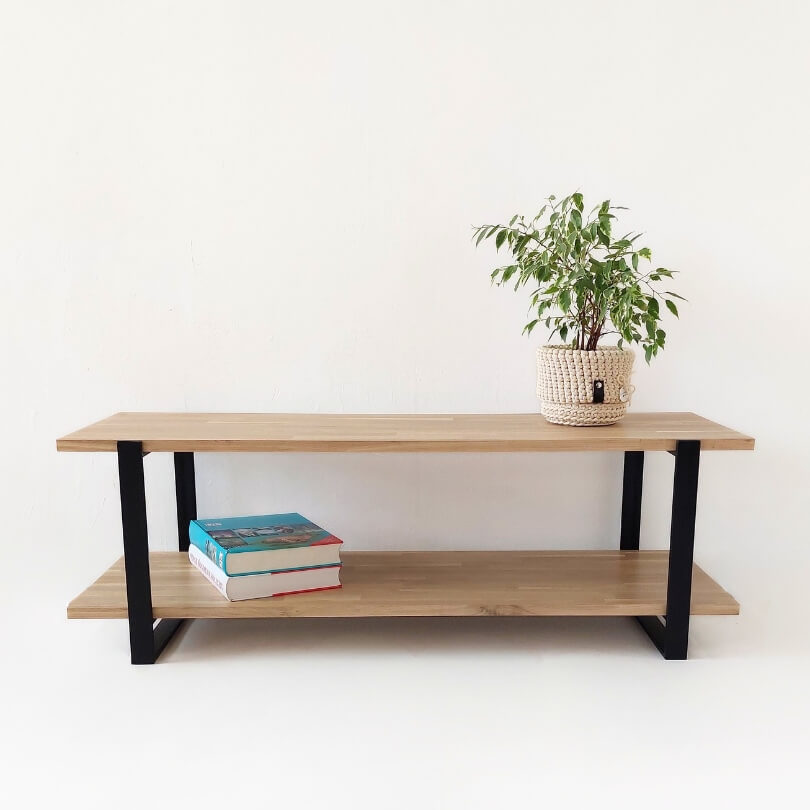
Scandinavian and local brands operating in Lithuania offer excellent examples of minimalist design. Minimalist aesthetics particularly blend well with natural materials – wood, steel, stone, and neutral colors, which create a cozy feeling.
Minimalist Living Room Solutions
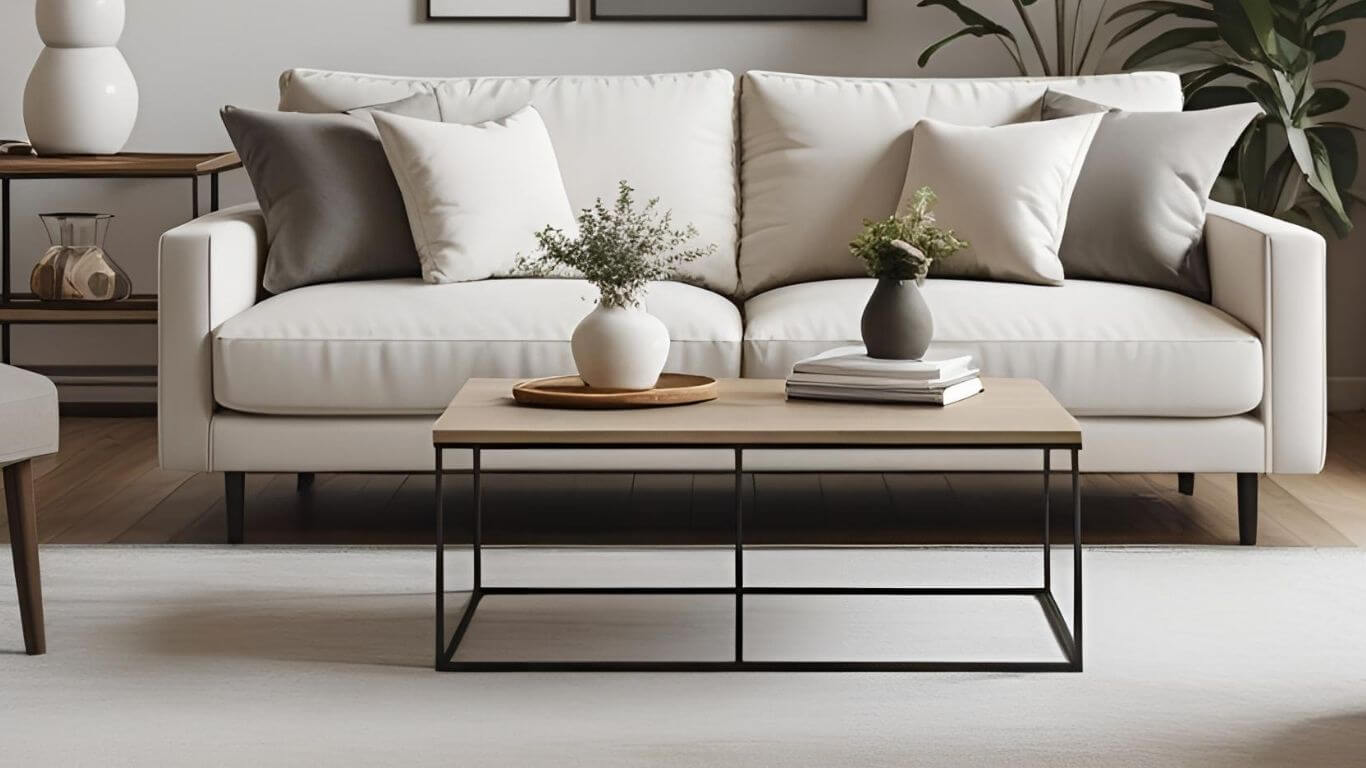
In the living room, the minimalist concept can be implemented by choosing only essential furniture – a comfortable sofa, a functional coffee table, and one accent piece that will give the space character. Choose a neutral color palette – white, grey, beige tones, complement them with small contrasting accents. This strategy creates a space where the eyes can rest, and the mind can recover from the daily overload of information.
Multifunctional Furniture for Small Spaces
In Lithuanian cities, especially for young professionals and families, the problem of small apartments is particularly relevant. This is why multifunctional furniture is becoming increasingly popular – it allows maximizing every square meter without sacrificing comfort.
Modern furniture designers create smart solutions that combine several functions in one furniture system. Sofa beds, tables with hidden workspaces, modular sectional sets that can be transformed according to needs – these are just a few examples of functional interiors.
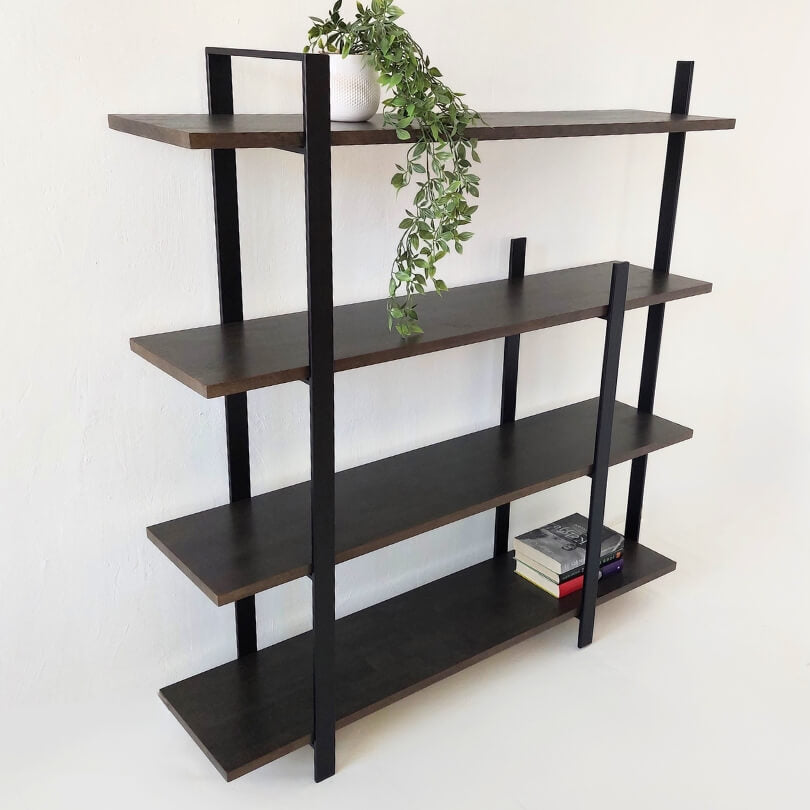
One of the most interesting solutions for small spaces is vertical space utilization. Tall, ceiling-high shelving systems provide plenty of storage space, while compact furniture with integrated storage functions helps avoid wasting space. Most modern furniture manufacturers offer solutions specifically adapted for small spaces that do not lose their stylishness.
Smart Storage Systems and Hidden Functions
In modern interiors, furniture with hidden functions is particularly valued. Beds with drawers, ottomans with storage compartments, dining tables with pull-out extensions – all these help optimize space without sacrificing functionality. The latest furniture creators even offer solutions such as stairs with built-in drawers, wall beds that turn into desks or even sofas during the day.
Color Accents in Modern Interiors
While neutral colors form the basis of a modern interior, accent colors give the space life and character. Instead of painting an entire room a bright color, choose accent details – a brightly colored armchair, a blue sofa, or a greenish chest of drawers that will become the star of the space.
Current color palette trends in Lithuania show a penchant for natural, earthy colors – moss green, terracotta, oxide red, mustard yellow. These colors perfectly combine with neutral bases and create a warm, cozy atmosphere while remaining contemporary.
To create a more dynamic living room environment, one can experiment with contrasts – for example, a dark blue velvet armchair against a light grey background will become an excellent focal point. Cushions, a rug, or even artworks can be easily changeable accents, allowing the space to be refreshed without major investments.
Open-Plan Living
Modern homes are increasingly designed with open spaces, connecting the living room, dining room, and kitchen. Such spaces provide more light, a feeling of spaciousness, and encourage social interaction. However, it is important to properly plan zoning so that each function has its defined place.
A key element in planning open spaces is defining different zones using furniture. A sofa can become a natural partition between the living room and the dining area, and a kitchen island – a boundary between the eating and food preparation areas. Functional interior design requires thoughtful furniture placement so that spaces flow into each other but also have a clear identity.
Lighting also plays an important role in zoning spaces. Different lighting schemes in the kitchen, dining room, and relaxation area help create different moods in each space. For example, pendant lights above the dining table, built-in lamps in the kitchen work area, and mood lighting in the living room create functional zones without requiring physical partitions.
Zoning Techniques in Lithuanian Homes
In the Lithuanian context, where many apartments are smaller than in Western European countries, zoning becomes even more important. Rugs, color contrasts, or even different floor coverings can clearly delineate spaces. Modern furniture – modular systems, mobile objects – allows changing the configuration of the space according to changing needs, which is especially relevant for young families.
Sustainable and Eco-Friendly Solutions
Environmental issues are becoming increasingly important in modern design, and this is reflected in modern furniture choices. Sustainable furniture, made from recycled or sustainably sourced materials, becomes not only a symbol of conscious consumption but also of good style.
Natural materials – certified wood, bamboo, cork, steel, linen, wool – dominate among eco-friendly furniture choices.
This furniture not only reduces environmental impact but also often features exceptional design and durability. Furthermore, natural materials bring coziness and warmth to homes, which is sometimes lacking in very modern interiors.
Recycled or refurbished furniture is another sustainable choice that is gaining popularity among Lithuanian designers and consumers. Vintage furniture adapted for modern use, or new products created from recycled wood, become unique accents with history and character.
Where to Find Eco-Friendly Furniture in Lithuania
In Lithuania, the supply of eco-friendly furniture is growing – from local artisans creating furniture from local wood to international brands focusing on sustainability principles. Specialized stores in Vilnius and Kaunas offer eco-friendly furniture and interior details. The secondary furniture market is also gaining popularity, where quality, refurbished retro designs can be purchased.