Living in small spaces is becoming increasingly relevant for modern Lithuanians due to rising real estate prices, urbanization, and sometimes simply personal choice. Compactness does not necessarily mean a lack of comfort – it just requires smart selection and arrangement of furniture. The right choice of furniture is a crucial part of successfully furnishing a small space, allowing you to create not only a functional but also an aesthetically pleasing living environment.
In this article, you will learn about the basic principles of small space design, how to choose multifunctional furniture, how to effectively arrange it in a limited space, and what interior accents to use to create a cozy but spacious home. You will also find special tips for different areas of the home – from the kitchen to the workspace.
Essential Small Space Design Principles
Before choosing furniture, it is important to understand the fundamental principles of small space design, which will help you create an optimal interior.
First and foremost – maximum efficient use of space. Every centimeter in a small home is valuable, so ergonomic solutions become a priority. In small spaces, not only horizontal but also vertical planning is important, utilizing walls up to the ceiling.
Lighting is another essential factor. Interior designers emphasize that natural light visually expands the space, so windows should not be blocked by massive furniture. Additional artificial lighting at different levels (ceiling, wall, table) helps create a sense of depth.
Color choice also significantly affects the perception of space. Light, neutral colors reflect light and visually enlarge the room. According to interior designers, dark shades can be used for accents, but not for dominant surfaces.
The Importance of Color and Lighting
In a small space, the color scheme and lighting work together. A monochromatic color solution with variations of different shades creates a harmonious, continuous space. It is worth thoughtfully integrating spot lighting, which would highlight important elements and create different functional centers of the rooms, visually enlarging the space.
How to Choose the Right Furniture for Small Spaces
When choosing furniture for a compact home, multifunctionality becomes the main criterion. Optimal solutions are pieces of furniture that perform several functions at once.
Transformable furniture is a great investment.
Extendable tables, sofa beds, and wall beds (so-called "Murphy beds") take up minimal space during the day and provide all the necessary functionality when in use. The supply of these solutions in the Lithuanian furniture market is constantly growing – from classic to modern, adapted to contemporary interiors.
Modular furniture provides flexibility as needs change. Individual elements can be rearranged, grouped, or separated according to the situation. Such systems are especially suitable for living rooms and children's rooms, where furniture arrangement can change depending on activities.
It is especially important to consider furniture proportions – oversized, massive furniture visually "eats up" space. Instead, choose compact furniture with thin legs or "floating" furniture – wall-mounted, with visible floor underneath, which creates a sense of spaciousness.
It is also worth considering custom furniture solutions, especially for problematic areas. Although more expensive, it allows every centimeter to be utilized and an ideally adapted interior to be created.
- Multifunctional furniture: sofa bed, console table, ottoman with storage
- Transformable furniture: extendable tables, folding chairs, wall beds
- Modular furniture: shelving systems, nesting tables, sets of complementary elements
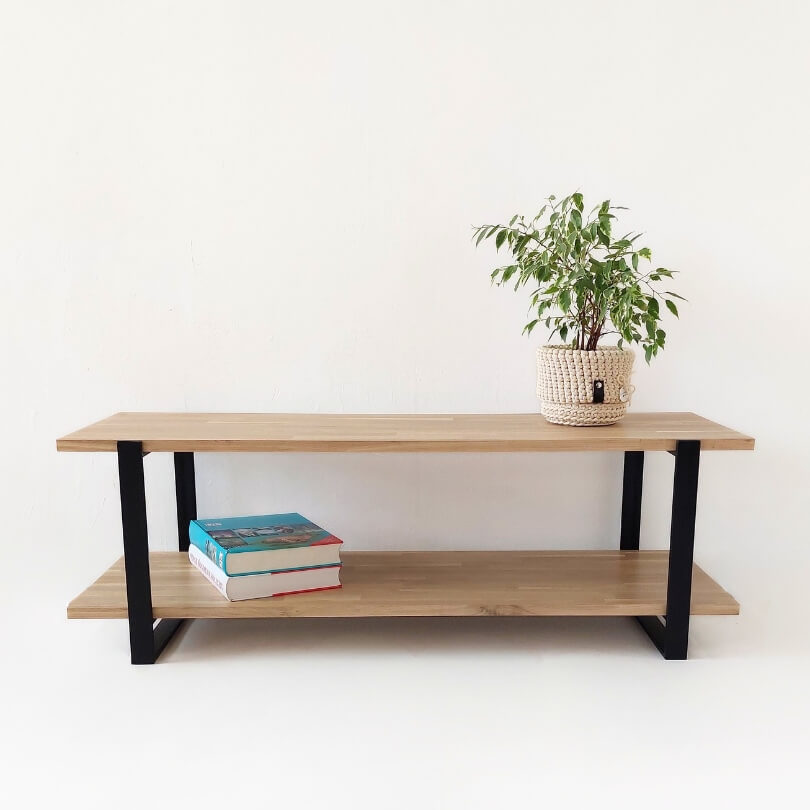
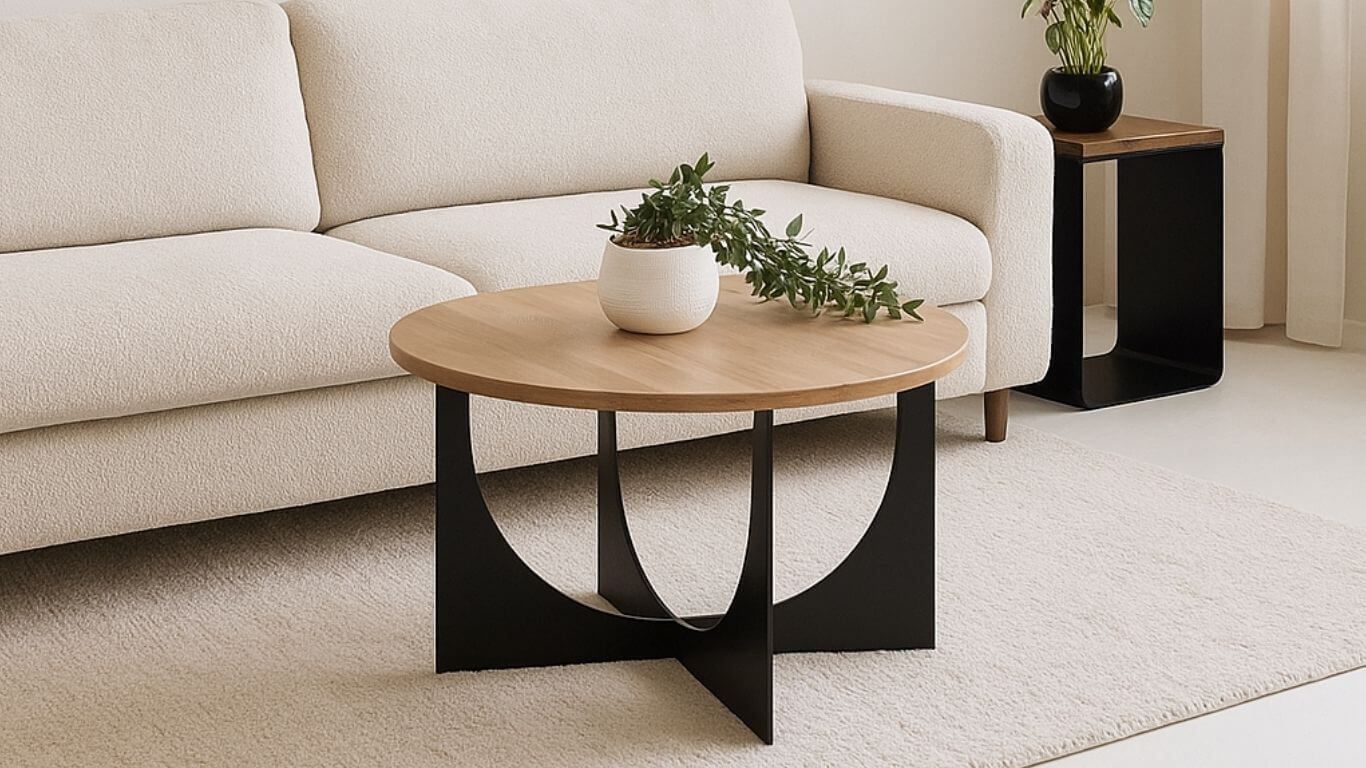
- Compact furniture: narrow bookshelves, small coffee tables, minimalist dining tables
By acquiring such furniture, you will not only efficiently use space but also create a dynamic interior that is easy to adapt to different needs.
Furniture Arrangement Strategies in a Small Space
Even with the most suitable furniture, its arrangement can determine whether the room will look spacious and functional or cluttered and cramped.
Freedom of movement is one of the most important aspects. Arrange furniture so that clear passage ways, at least 70-80 cm wide, remain. Avoid obstructing corridors or passages – this is not only inconvenient but also visually reduces space.
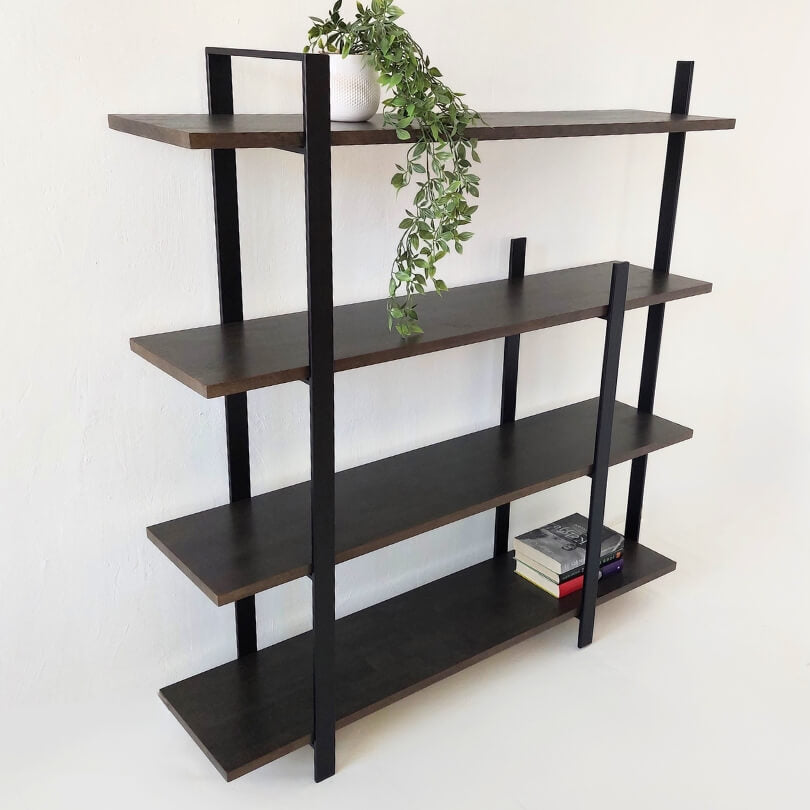
Vertical planning helps free up floor space. Wall-mounted cabinets, shelves, and TV mounts not only provide additional storage space but also create a cleaner, more spacious impression. Do not leave unused space above doors or windows – shelves for rarely used items are perfect here.
Corner furniture is an excellent solution for small spaces. Corner cabinets, sofas, or desks utilize often wasted corners, freeing up valuable central part of the room.
Compose furniture according to functional zones, even if the entire space is in one room.
Clearly separated sleeping, dining, working, and resting areas create a structured, organized environment. Zones can be separated not only by furniture but also by rugs, lighting, or different wall colors.
Main mistakes to avoid:
- too much furniture – less but more functional is better
- blocking windows or doors – this reduces the amount of natural light and makes movement difficult
- placing all furniture against walls – although this seems logical, sometimes "floating" furniture arrangements create better spatial dynamics
- too much small furniture – they create visual chaos; it is better to choose fewer but larger elements
Small Interior Accents and Additional Solutions
Proper use of small details can significantly improve the perception and functionality of a small space.
Mirrors are one of the most effective tools to visually expand space. A strategically placed large mirror opposite a window not only reflects natural light but also creates the illusion of additional space. Glass partitions or furniture with glass details also help maintain visual spatial integrity.
Minimalist approach to decor – less often means more. Choose a few distinctive accents instead of numerous small decorations. This reduces visual clutter and allows the space to "breathe". Small plants add life without taking up much space.
Hidden storage – a necessity in a small home. Look for furniture with integrated storage: beds with drawers underneath, sofas with lift-up seating, coffee tables with storage options. Wall-mounted hangers, magnetic knife holders in the kitchen, door organizers – all these solutions help keep the space tidy.
Additional lighting at different levels helps create a sense of depth. Combine ceiling, wall, and spot lighting solutions that are not only functional but also create a cozy atmosphere.
Special Tips for Different Home Zones
Each home zone has its specific features and requires individual solutions, especially when space is limited.
In the kitchen, maximum functionality is essential.
Compact appliances, vertical storage, and multifunctional surfaces (e.g., an island that also serves as a dining table) help optimize space. Utilizing vertical wall space with magnetic strips for tools or hanging holders for pots frees up cabinet space.
In the living room, modular and transformable furniture becomes the foundation. Corner sofas with integrated storage, transformable or nesting tables, ottomans with storage – all these elements allow flexible use of space as needed. Mounting the TV on the wall frees up valuable floor space.
In the bedroom, bed choice is critical. Beds with drawers, "Murphy" beds, or sofa beds are ideal solutions. Instead of traditional nightstands, you can choose wall-mounted shelves or narrow freestanding elements. Sliding closet doors save space needed for traditional hinged doors.
In the work area, compact, folding desks or wall-mounted drop-down surfaces are a practical solution. Corner desks utilize often wasted space. Open shelves above the desk provide additional storage space, keeping the floor clear.
In the bathroom, vertical space utilization becomes especially important. Wall-mounted cabinets, hooks for towels instead of racks, compact sanitary ware, and clear shower curtains or glass partitions help maintain a sense of spaciousness.
Conclusions
Furnishing small spaces is an art of combining functionality, ergonomics, and style. When choosing furniture for compact rooms, multifunctionality, transformation, and smart use of space become essential criteria.
Before investing in furniture, it is worth carefully assessing your needs and measuring the available space. A high-quality, well-thought-out multifunctional piece of furniture, although perhaps more expensive, will pay off in the long run with its practicality and durability.
Remember that minimalism and functionality in small spaces often provide more comfort than excess. Choose furniture that truly serves your lifestyle, rather than just filling space. If your situation is complex, do not be afraid to seek professional help – individual solutions can transform even the smallest spaces into functional, stylish homes.
Start planning your compact yet cozy space today!
Frequently Asked Questions
What kind of furniture is best for small spaces?
Multifunctional, compact, and transformable furniture, e.g., a sofa bed or a table with storage.
How to arrange furniture to make the room look bigger?
Use vertical space, keep the floor area clear, and avoid furniture clustering in one place.
Is it worth ordering custom furniture?
Yes, especially when standard furniture does not fit – individual solutions help maximize every centimeter.
What colors visually expand space?
Light, neutral colors and mirrors contribute to a greater sense of space.
What are the most common mistakes when furnishing a small home?
Too much furniture, bold patterns, inappropriate lighting, and poorly thought-out storage solutions.