In today's world, overflowing with objects and information, order in home interiors becomes not only a matter of aesthetics but also psychological well-being. The minimalist style is not just a design direction but also a philosophy of life based on simplicity, functionality, tranquility, fewer items, and an aesthetic perception of clean lines.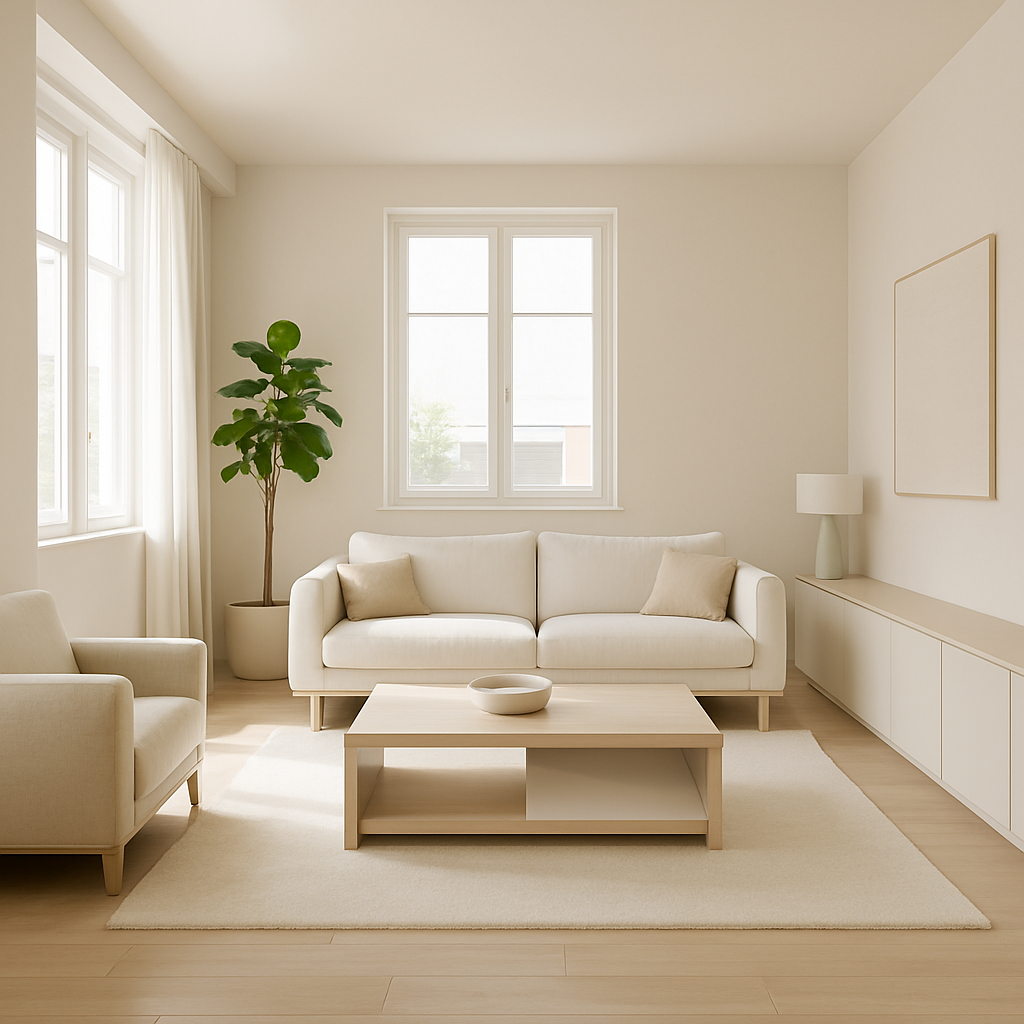
Especially in minimalism, order plays a crucial role – it not only ensures an aesthetically pleasing home but also creates emotional peace and harmony in daily life. The principles of minimalist interior design help create a space where every item has its place and purpose, and the home becomes an oasis of rest and tranquility.
Fundamentals of Order in Minimalist Interiors
The need for order in minimalist homes is driven by the desire to create visual calm, functionality, and simplicity of life. The essence of this style is comprised of three main principles: eliminating clutter, thoughtful space creation, and spatial hierarchy. Minimalist interior design begins with the understanding that less is more – every item should not only be functional but also bring joy or perform an essential function.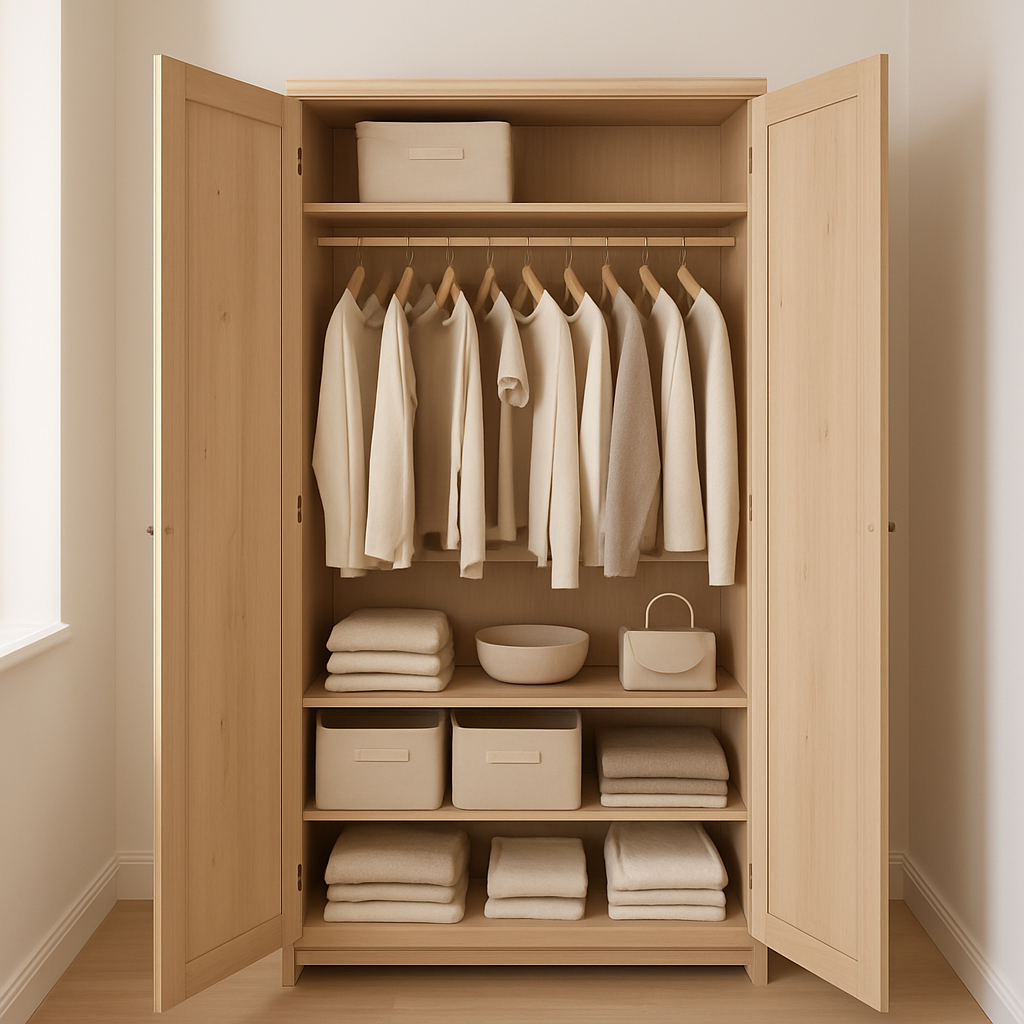
According to renowned interior designers, visual harmony is achieved only when the home environment is not cluttered with unnecessary items, and each element has its purpose. Eliminating clutter is not a one-time action but an ongoing process that requires mindfulness and discipline. Modern interior trend research shows that the simplicity of the home environment is directly related to the psychological well-being and productivity of its inhabitants.
Strategies for Decluttering in Minimalist Spaces
- organize your home by zoning – start with a small space (wardrobe, drawer, or shelf) and gradually move to larger areas
- use the Marie Kondo method – keep only items that bring you joy or are essential
- practice "Swedish death cleaning" – regularly review your belongings and get rid of those you don't use
- implement the "one in, one out" rule – before buying a new item, say goodbye to an old one
- take photos of spaces before and after organizing – this will provide visual satisfaction and motivation
Minimalism at home begins with making the right decisions about what to keep and what to let go of. Discover storage solutions that will help create a harmonious and tidy home atmosphere while maintaining a minimalist style.
Practical Tips for Maintaining Order in Minimalist Interiors
Maintaining order in a minimalist home is not a one-time project but an ongoing process that requires daily attention and a systematic approach.
Interior specialists recommend creating daily routines to help maintain order at home. These routines don't have to be complicated – 10-15 minutes a day for simple tasks like making the bed, wiping surfaces, or returning items to their places is enough. Experienced minimalism proponents claim that having a specific place for every item is the key to long-term order.
In terms of functionality, organizing a minimalist home begins with comfortable space planning. It is recommended to divide the home into functional zones according to activities – for work, relaxation, sleep, eating.
Such zoning not only facilitates daily use but also helps prevent items from mixing with each other.
Creating and Maintaining Functional Zones
Even in a small apartment, clearly defined functional spaces can be created to help maintain order:
- work area – a compact desk with essential work tools; try to avoid accumulating papers
- relaxation area – a comfortable sofa or armchair with minimal attributes (one magazine, a small plant)
- sleeping area – keep only essential items on the nightstand
- kitchen area – try to keep countertops clear, use appliances and put them away immediately
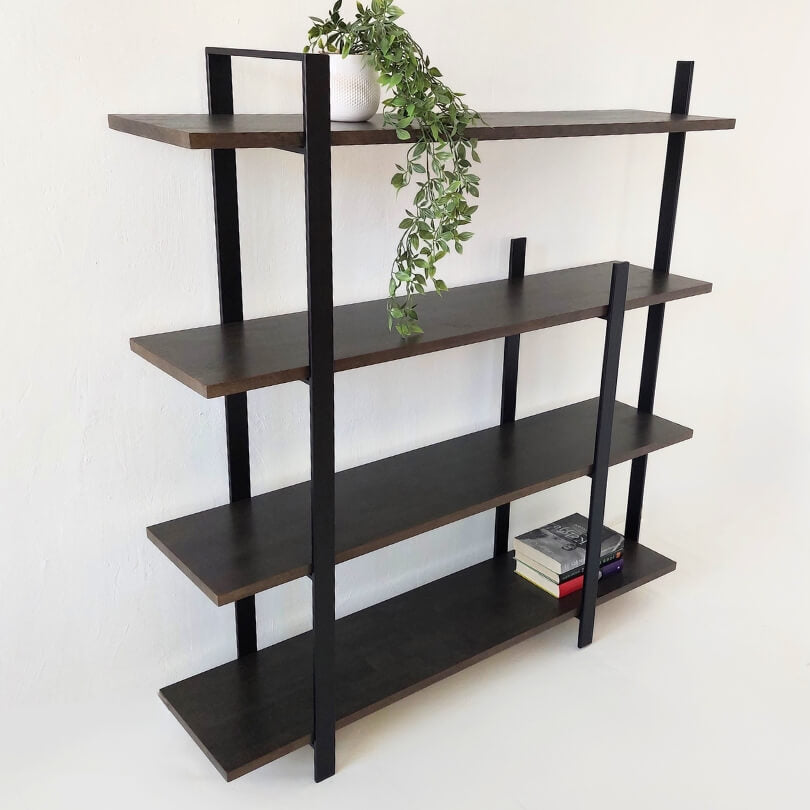
Space-saving solutions are particularly important in smaller homes. Vertical space can be utilized as storage by using wall shelves or cabinets. Multifunctional furniture, such as beds with drawers or lift-top coffee tables, maximizes limited space and reduces the chance of clutter.
Storage Solutions Compatible with Minimalism
In a minimalist interior, storage solutions should be not only functional but also invisible or aesthetically pleasing:
- hidden storage space – handleless cabinets, built-in wardrobes, storage systems under beds
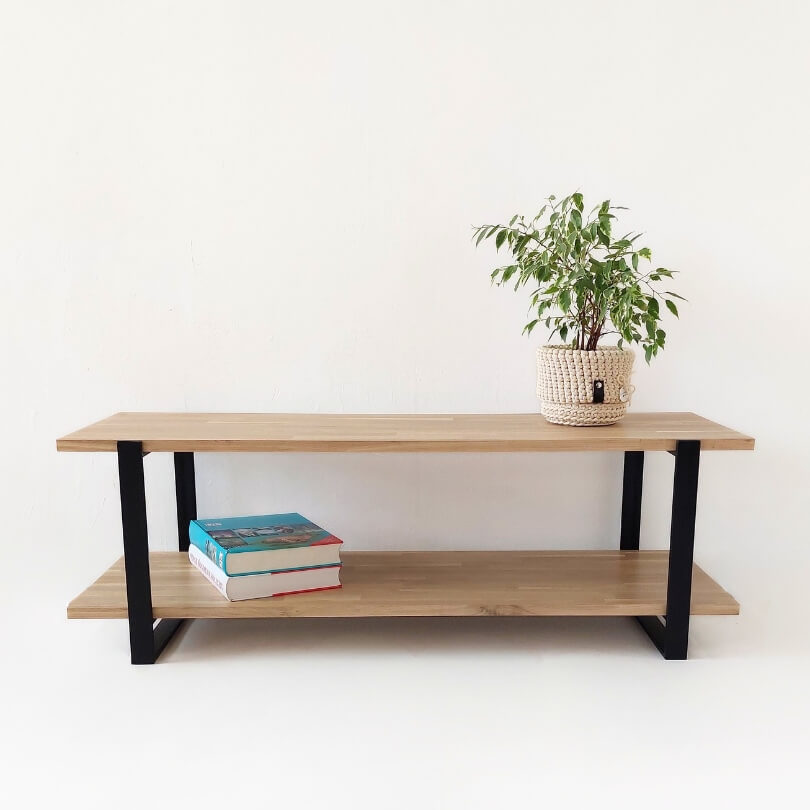
- multifunctional furniture – beds with drawers, extendable tables
- wall-mounted storage systems – vertical space utilization frees up floor space
As experts in minimalist home organization routines state, regular review of items and removal of unnecessary ones is essential to maintain order for a long time. It is recommended to review your belongings seasonally and get rid of those you no longer need or use.
Minimalist Design Solutions That Help Maintain Order
Furniture, color palette, and decor elements can actively contribute to creating a sense of order at home.
Minimalist furniture is characterized by clean lines, functional forms, and is often multifunctional. When choosing such furniture, it is worth paying attention not only to its aesthetic appearance but also to its practical functionality – how much and what kind of storage space it provides, how easy it is to clean, and how it aligns with the overall interior concept.
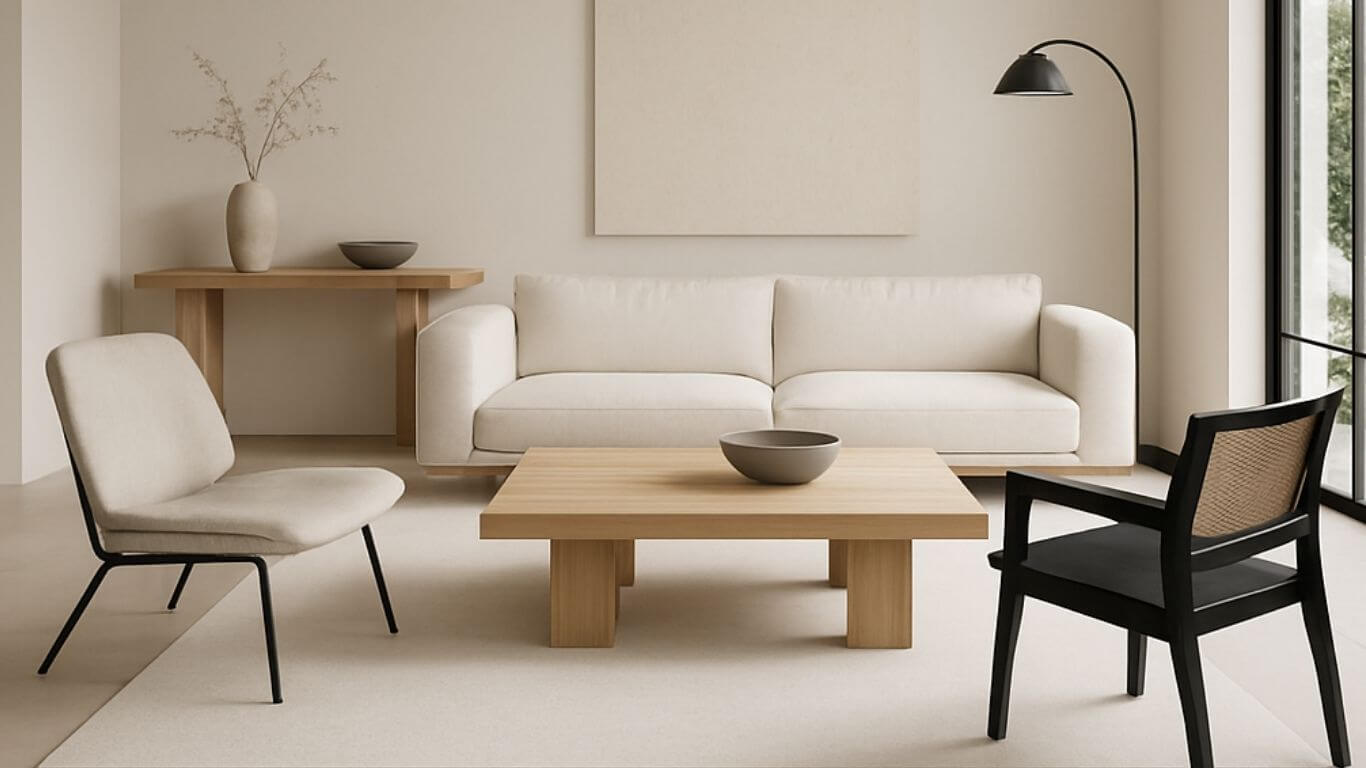
A neutral color palette in minimalist homes is not an accidental choice. Light, calm colors, such as white, beige, grey, or soft pastel shades, visually enlarge the space and create an atmosphere of tranquility. These colors also help create a cohesive background that highlights furniture and functional elements rather than decorative accessories.
Open space is another important aspect of a minimalist interior. Recent interior design studies show that freely circulating space not only visually increases the living area but also creates a psychological sense of comfort. Remove unnecessary furniture that blocks natural movement paths, and you will see how your home appears tidier and more spacious.
Common Mistakes in Minimalist Interiors
When creating a minimalist interior, it is important to avoid several typical mistakes:- excessive decoration – although minimalism is not about "having nothing," too many accessories, even small ones, create visual clutter
- choosing impractical items – white sofa covers may look great, but in homes with children or pets, they will quickly become problematic
- too many open shelves – open shelves require constant tidying and dusting
- unthought-out space planning – insufficient attention to functionality can create uncomfortable spaces to use
- overly sterile environment – minimalism does not mean giving up personal items; a few cherished items create a warm atmosphere
Discover minimalist furniture options for your home that will help create not only an aesthetic but also a functional space where order becomes a natural part of the home, not a constant challenge.
Maintaining Minimalism: Overcoming Challenges
Maintaining a minimalist style in real life often faces various challenges, especially when living with a family or in shared homes.
Forming family habits is one of the biggest challenges in maintaining a minimalist home. Experience shows that instead of strict rules, clear systems and simple, universally understood principles are more effective. For example, children find it easier to understand the "one toy out – one toy in the box" rule than an abstract demand to "be tidy."
Resistance to accumulating items requires a conscious approach to consumption and a constant self-questioning: "Is this item truly necessary?" Often, impulsive purchases become a source of clutter at home. Maintaining a minimalist home begins with refraining from buying what is not essential or does not contribute to the long-term quality of life.
Renewal routines are critically important in a minimalist home, especially when living with others. These routines can be daily (e.g., 10 minutes before bed dedicated to returning items to their places), weekly (a more thorough home cleaning), or seasonal (reviewing items and getting rid of unnecessary ones). Experts recommend involving all family members in these routines, adapting tasks according to age and abilities.
Continuous organization is the main principle of maintaining a minimalist home. This means not only physical order but also continuous improvement of processes and systems – what works, what doesn't, what new challenges arise, and how to solve them. Flexibility and adaptation to changing life circumstances are key to long-term maintenance of a minimalist home environment.
Conclusions
Order in home interiors in a minimalist style is not just an aesthetic choice but also a path to a calmer, more balanced way of life. Order at home directly reflects our internal state and influences daily well-being and productivity. The minimalist style, based on simplicity and functionality, creates a space where every item has its purpose and place.
Start with small steps – choose one space in your home and implement the principles of minimalist style there. Observe how your relationship with this space changes and how it affects your daily life. Maintain the achieved results with regular routines and continuous evaluation of items. If you aim for a more professional result or face specific challenges, do not hesitate to contact interior specialists who can offer individually tailored solutions.
The minimalist style is a journey, not a final destination. Allow yourself to experiment, learn from mistakes, and discover what works best for your home and life. Discover the minimalist design furniture collection, specially created for those who value order, functionality, and aesthetics in their homes.
Frequently Asked Questions (FAQ)
How to start organizing your home for a minimalist style?
Start by organizing one small area – a closet, drawer, or shelf. Focus on functionality and only keep items that are essential or bring joy. Gradually move to larger spaces, adhering to the "less is more" principle.
What are the best storage solutions for minimalist homes?
Multifunctional furniture, hidden storage, and built-in closets are best suited for minimalist homes because they help conceal items and maintain clean lines. Choose storage solutions that blend with the overall interior style and do not stand out as separate elements.
How to maintain minimalist order at home with children or pets?
Use clearly marked, easily accessible storage spaces and create regular "return to place" routines for all family members. Teach children simple systems, such as "before taking out a new toy, put the previous one away." Designate specific places for pets' belongings and regularly check the condition of these items.
What colors and materials are most suitable for minimalist interiors?
Neutral colors (white, beige, gray) and natural materials (wood, metal, stone, linen) are best suited for minimalist interiors because they promote visual calm and order. These colors and materials create a cohesive, harmonious environment where form and function are highlighted rather than decorative elements.
What common mistakes should be avoided when creating a minimalist home?
Common mistakes include excessive decoration with unnecessary accessories, insufficient attention to storage solutions, sacrificing practical aspects for aesthetics, creating an overly sterile environment, and acquiring items solely for their appearance without considering their functionality or necessity.