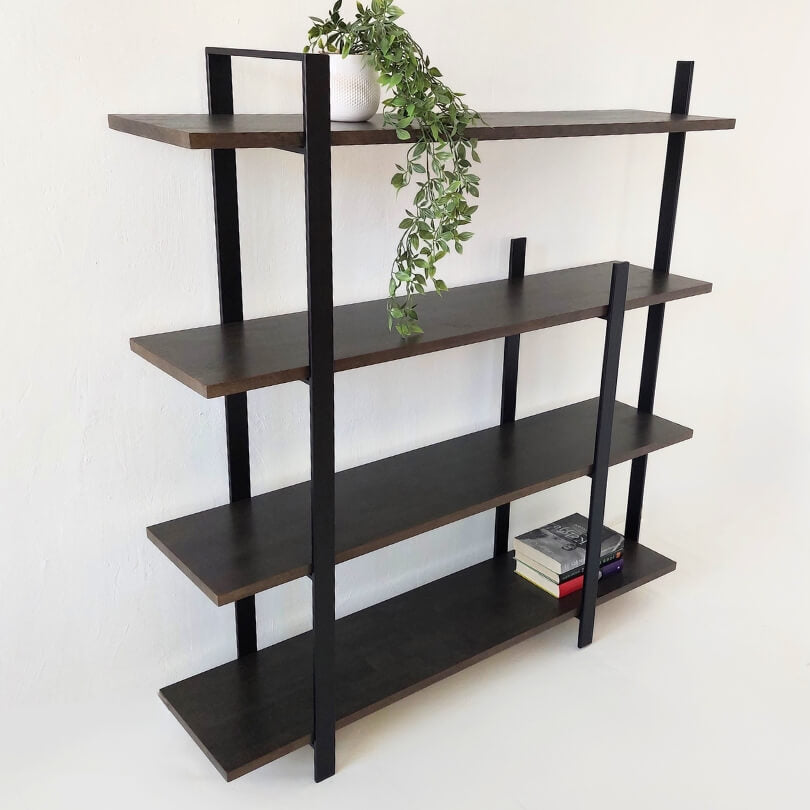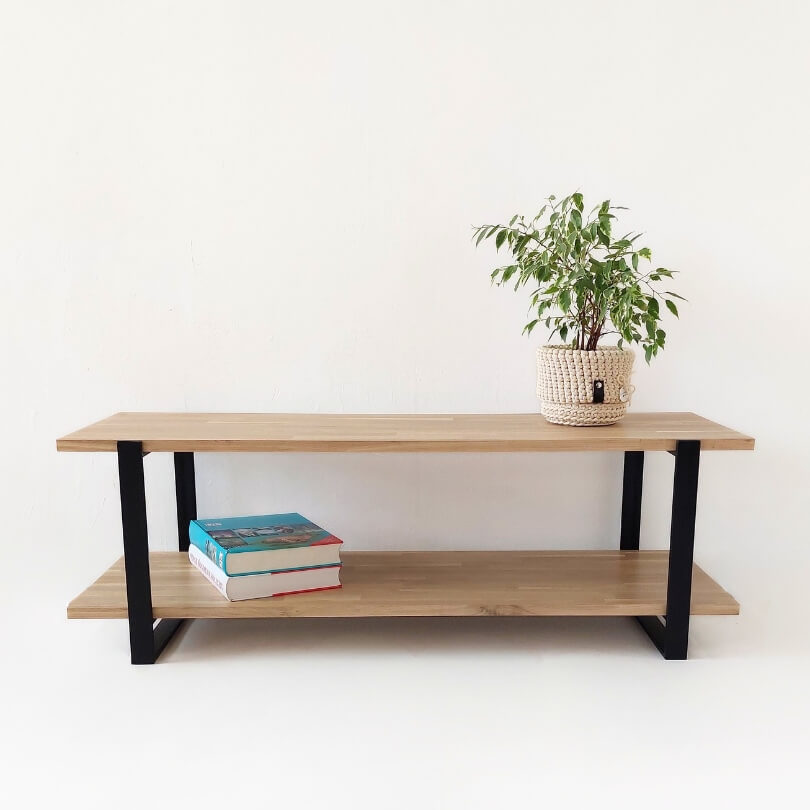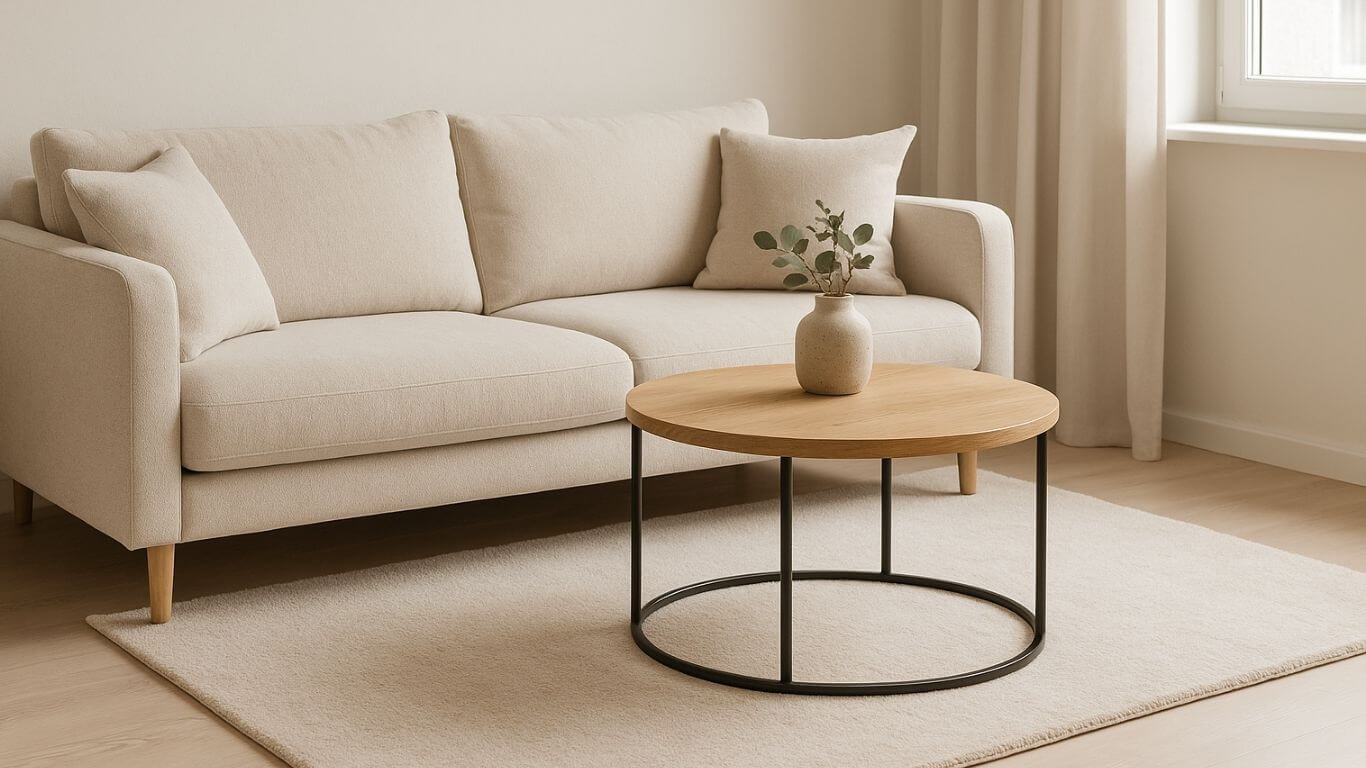
In modern Lithuanian homes, we increasingly see interior solutions that intertwine different materials – the combination of steel and oak has become particularly popular. The contrast of these materials – cold, sturdy metal and warm, natural wood – creates a unique character in the space and reflects contemporary design philosophy. Steel and oak furniture not only gives the interior a distinctive look but also practically solves many functionality issues.
In this article, you will learn why it is worth combining these different materials, what key principles will help create a harmonious interior, how to maintain stylistic integrity and functionality, and what common mistakes to avoid. Whether you are planning to renovate your living room, bedroom, kitchen, or dining room – these recommendations will help you create a space where industrial charm and natural coziness harmoniously complement each other.
Why combine different materials in furniture?
Furniture made of different materials gives the interior dynamism and character. Steel and oak – one of the most contrasting yet harmonious combinations that have recently conquered the interiors of modern homes. This combination has become popular for a reason.
First and foremost, the contrast of these materials creates visual interest – metal provides strength and structure, while oak offers warmth and coziness. Wood and metal furniture often become an accent in the interior, attracting attention and creating a certain narrative in the space. Moreover, these materials are durable and long-lasting, making such an investment worthwhile in the long run.
The industrial style, which often uses steel and oak, is extremely popular in both city apartments and suburban homes.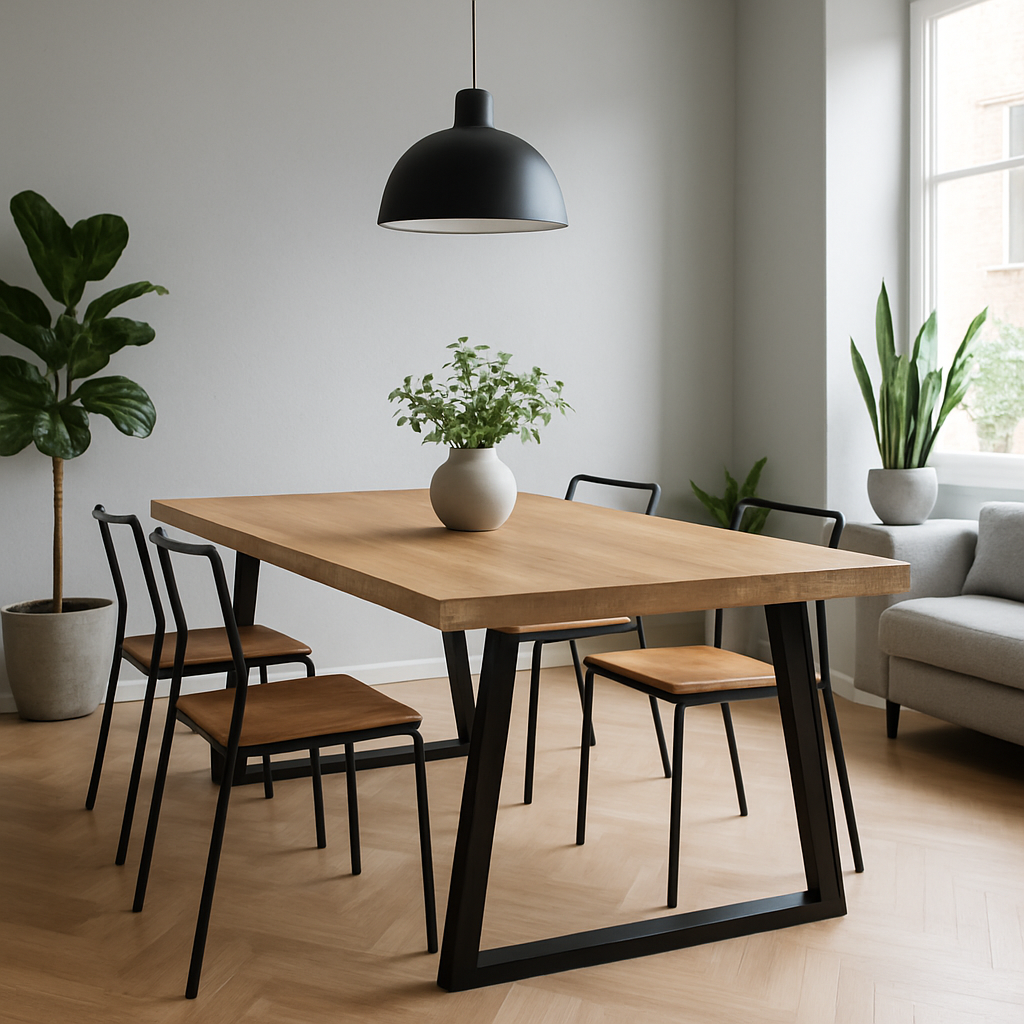
In Lithuanian interiors, this combination looks particularly authentic – it perfectly connects with our country's nature and at the same time reflects a modern approach to living space.
Most common styles: industrial, modern, and eclectic
By combining steel and oak, various interior styles can be created. The industrial style is arguably the most popular choice, characterized by open spaces, raw surfaces, and clearly visible structural elements. Here, steel becomes the main accent, while oak softens the overall look slightly.
In modern style, the combination of these materials takes on a more subtle role – harmony and balance are key. Steel elements are usually minimalist, and oak details have clean, clear lines.
In eclectic style, the combination of steel and oak becomes one of many interior elements, but it is precisely this contrast that often forms the basis of the composition, allowing different styles and eras to be brought together into a harmonious whole.
Key principles for combining steel and oak
To create a harmonious interior by combining steel and oak, it is important to follow a few basic principles. First – balance. Regardless of which material dominates, it is essential to maintain equilibrium so that neither one overshadows the other.
Furniture proportions also play an important role. Designers often recommend following the 80/20 rule, where the dominant material accounts for about 80% of all visible surfaces, and the accent material accounts for the remaining 20%. For example, large oak furniture can be complemented with subtle steel details, or vice versa – steel frames can have oak parts.
Playing with scale also creates an interesting effect – a massive oak table can perfectly pair with slender steel chairs. Combining different textures – rough oak and smooth steel – creates an additional visual layer and enriches the interior's expression.
It is important to remember that all parts of the interior should form a cohesive whole. For example, if you have an oak table with steel legs in the living room, you can install steel shelves with oak shelves in the dining room – this will create a consistent sense of space.
Combination mistakes and how to avoid them
When combining different materials, several common mistakes are worth avoiding. One of the most common is an excessive amount of heavy materials in the space. If you have a massive oak table and wardrobe, additional large metal elements can create a heavy atmosphere.
Another common problem is mismatched surface finishes. If you use matte steel in one piece of furniture and glossy in another, the visual incompatibility can disrupt the overall harmony of the interior. The same applies to wood shades – it is important that the oak colors either match each other or are consciously contrasting.
Another mistake is ignoring the undertones of materials. Light oak has warm undertones, so it is better to combine it with warmer-toned metals, such as brass or copper steel. Dark oak pairs better with cooler-toned metals, such as chrome or stainless steel.
Designers also advise avoiding an overly mixed material palette – it is better to stick to two main materials (steel and oak) and complement them with a small amount of other materials, such as glass or textiles.
Colors, textures, and accents: how to maintain harmony
Color matching is one of the most important aspects that can determine the success of a steel and oak furniture combination. The natural color of oak is usually warm, so it contrasts perfectly with the cool appearance of steel. The most popular combinations are black or anthracite steel with natural oak, chrome with smoked oak, and light wood with matte white metal elements.
Furniture colors can be harmonized using accent details. Textiles (cushions, curtains, rugs), lighting, and wall color can unite different materials into a cohesive whole. For example, if you have a combination of dark steel and light oak, you can create coziness by choosing warm-toned textiles or lighting.
Steel details, such as handles, legs, or frames, can become subtle accents in oak furniture. These details not only make the furniture functional but also give it a modern character. Conversely, oak inlays in steel furniture – for example, shelves in metal frames – soften the cold metallic impression.
It is also worth paying attention to surface finishes. Matte and glossy surfaces create an interesting contrast, but it is important to maintain consistency. If you choose matte steel in one part of the space, adhere to a similar principle in other parts. The same applies to oak finishes – oiled, lacquered, or natural oak create different impressions, so it is worth considering what effect best matches your vision.
Examples from Lithuanian homes
In Lithuanian homes, we often see excellent examples of steel and oak combinations. One of the most popular is living rooms with an oak table on a steel base. Such compositions are often complemented by steel shelves with oak shelves, creating a unified style in the space.
Another common example is kitchens where oak countertops are combined with steel furniture frames or legs.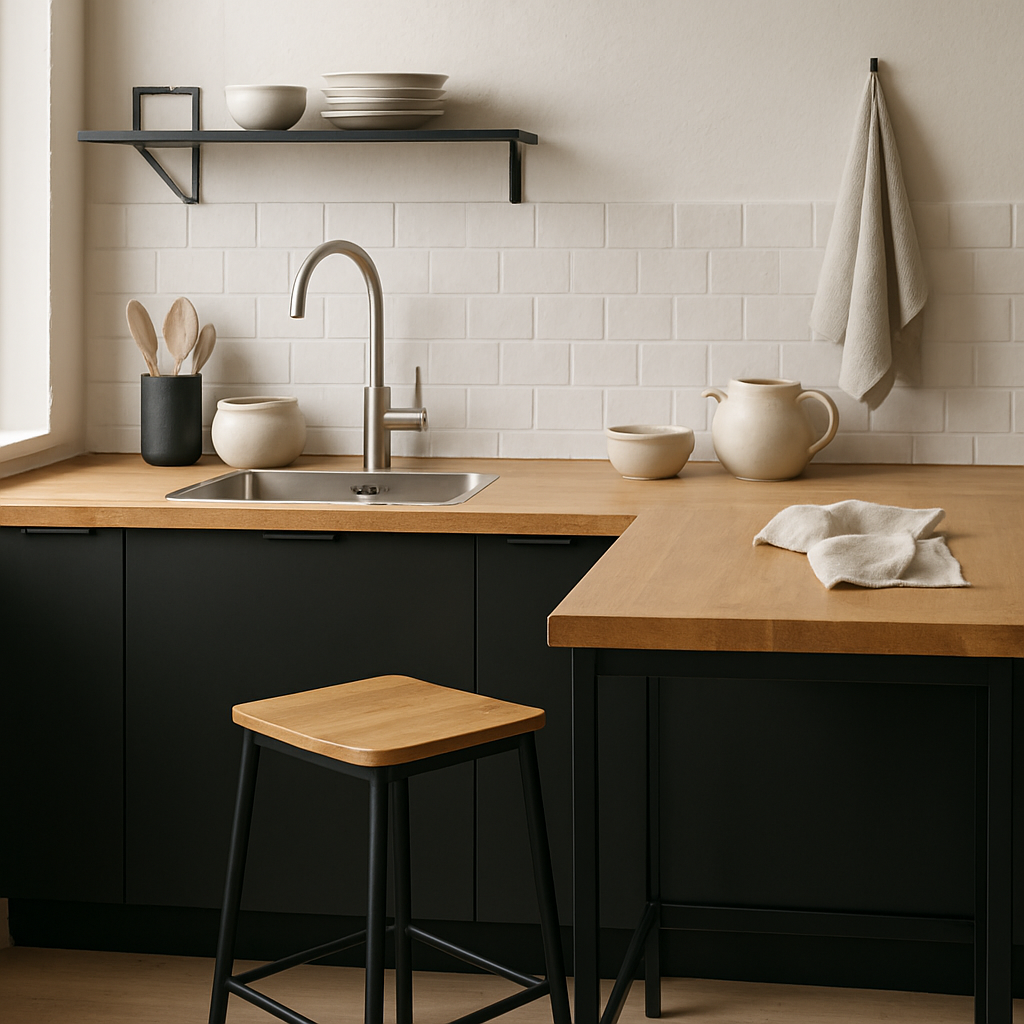
Such a kitchen looks both cozy and modern, and it is also extremely practical – oak is resistant to scratches, and steel is easy to clean.
In bedrooms, steel bed frames with oak details become a stylish accent.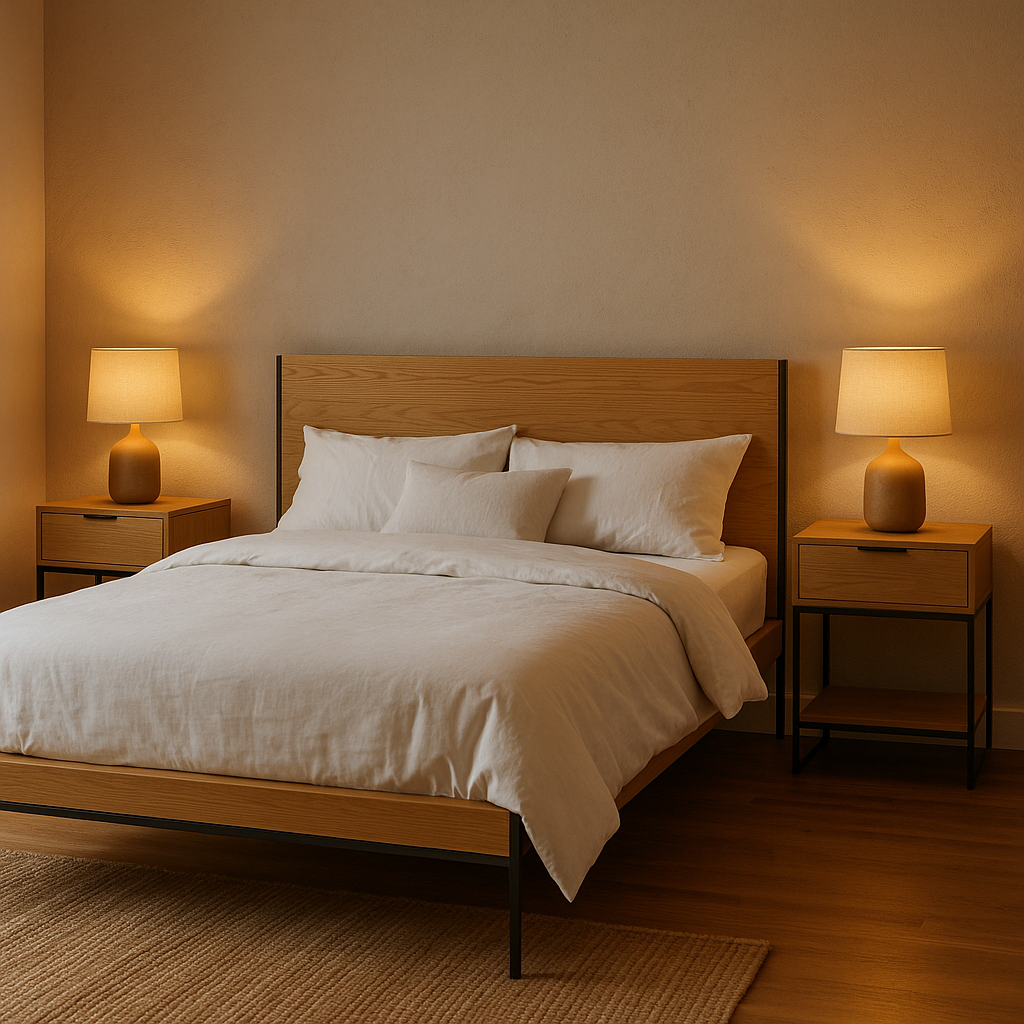
Complementing such a bed with oak bedside tables with steel legs creates a harmonious yet interesting space.
Functionality and space utilization in mixed interiors
The combination of steel and oak is not only an aesthetic solution – it can help solve practical space problems. In smaller rooms, lightweight steel frames visually "declutter" the space, while oak parts provide warmth and coziness. Multifunctional furniture that uses both materials can maximize limited space.
For example, a steel frame with oak shelves can serve as a space-dividing element, while maintaining light permeability and a sense of openness.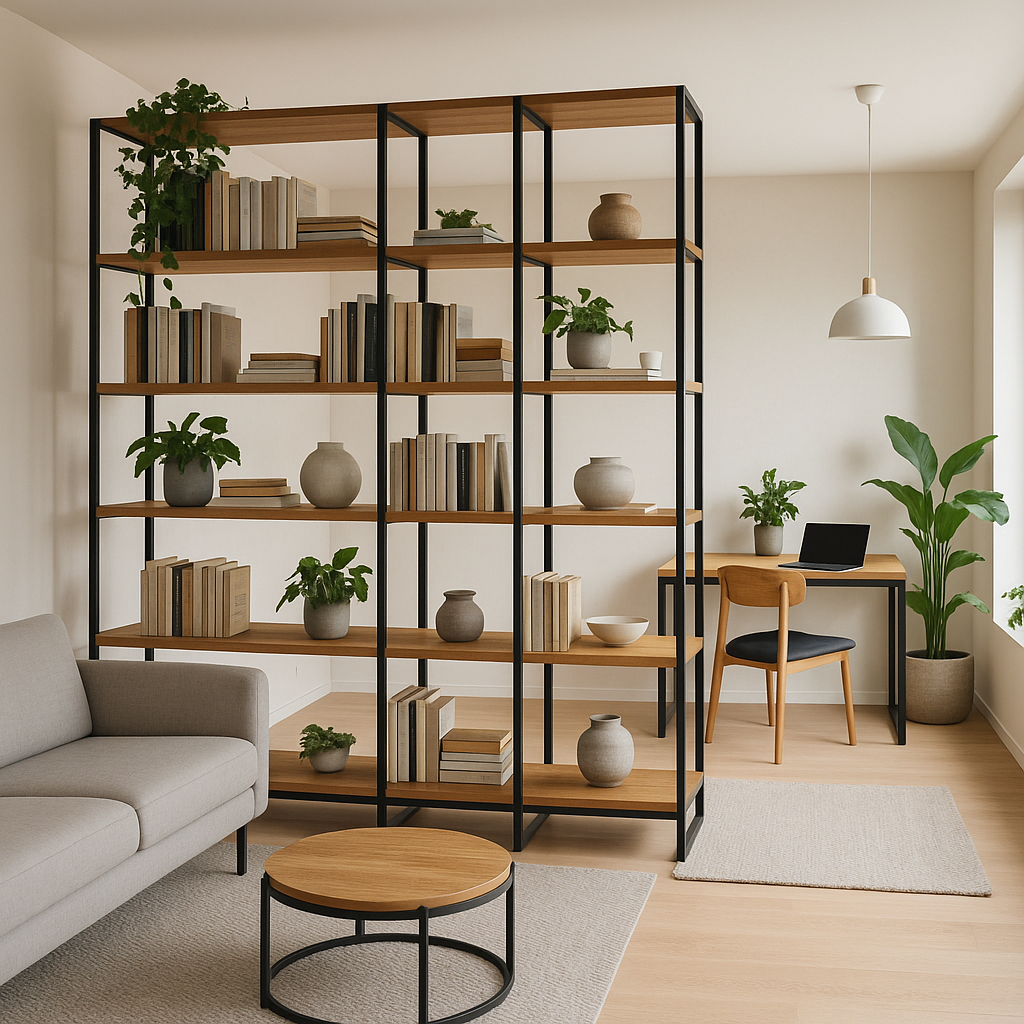
Transformable furniture – pull-out tables, modular cabinets, folding furniture – is often made by combining steel for the structure and oak for functional surfaces.
Functionality and aesthetics can perfectly coexist. Steel furniture elements often provide structural strength, while oak offers comfort in use. In the kitchen, metal frames can be used to support oak work surfaces, and in the living room, a thin steel frame can hold a massive oak slab, creating an impressive console or desk.
Interior design tips often emphasize that storage solutions should be not only functional but also aesthetic. The combination of oak and steel allows for the creation of open shelves that become not only a storage space but also an exhibition area for displaying favorite items or accessories.
Another important aspect is the lightness and mobility of furniture. A steel frame with oak details can be lighter and easier to rearrange than massive wooden furniture. This is especially relevant in modern homes, where the function of space often changes according to needs.
Stylistic integrity: how to ensure a harmonious result
To create a stylistically cohesive interior with steel and oak furniture, it is important to follow a few basic principles. First, consistency – decide what style you are aiming for (industrial, modern, eclectic) and stick to it in the main elements. Furniture style matching should be thought out, not accidental.
Second, color harmony – choose a unified color palette and stick to it. If you use dark oak in one part of the space, include wood elements of the same shade in other parts. The same applies to steel – it is worth maintaining a consistent finish (matte, glossy, aged effect, etc.).
Interior harmony is also achieved through similar forms or lines. If your oak furniture has clear, straight lines, the metal elements should also reflect them. Conversely, if the wood has organic, natural forms, the metal can contrast with stricter geometry or, conversely, complement curved lines.
Modern homes often feature open spaces, so it is important that steel and oak combinations "flow" from one space to another. For example, if steel with oak accents dominates the living room, more oak with steel accents can be used in the dining room – this creates a harmonious whole, but avoids monotony.
In some situations, it is worth consulting an interior designer, especially if you are planning a complete renovation of the space or have unusually shaped rooms. A professional will help avoid common mistakes and offer optimal solutions for your specific space. However, small changes – for example, a new coffee table or shelf – many can successfully implement themselves, adhering to basic principles.
For unique spaces such as attics, studios, or open-plan areas, the same principles apply, but it is worth paying attention to additional aspects. In attics, metal elements can emphasize the interesting geometry of the space, and wood can add coziness. In studios, it is worth using multifunctional furniture with steel and oak combinations that visually separate different zones but maintain integrity.
Summary
Steel and oak – a combination that gives the interior character and uniqueness. The combination of these materials allows for the creation of spaces where warmth and strength, naturalness and modernity are harmoniously intertwined. A successful combination is based on several key principles: balance, color harmony, consistency, and functionality.
When combining furniture made of different materials, remember to consider the specifics of the space, your lifestyle, and stylistic priorities. Don't be afraid to experiment, but try to maintain a common vision and integrity. A carefully considered combination of steel and oak will create not only an aesthetically appealing but also a practical, long-lasting space that will reflect your individuality.
Start with smaller elements, observe how they fit into your space, and gradually create a harmonious interior where steel and oak complement each other, creating cozy yet modern homes.
Frequently asked questions
1. Are steel and oak furniture suitable for any interior style?
Yes, steel and oak furniture is versatile and can be adapted to various styles, such as modern, industrial, even rustic or minimalist, if balance and color harmony are maintained.
2. How to avoid an overly cold impression when using a lot of steel?
Balance cold steel materials with warm oak elements, and also use textiles, warm lighting, or accent colors that will give the space coziness.
3. What are the most common mistakes when combining steel and wood?
The most common mistakes are excessive mixing of styles, using mismatched colors or finishes, and disregarding balance, where one material dominates too much over others.
4. Is furniture made of mixed materials durable?
Yes, quality oak and good quality steel or metal are characterized by both strength and durability, if the joints and finishes are of high quality.
5. Does the wood or metal finish throughout the house need to be completely uniform?
Not necessarily – it is important to coordinate colors and styles, but small differences can add depth and interest to the interior. Just make sure there is a unifying color palette or a common theme.