The minimalist interior style has been gaining increasing popularity in Lithuania in recent years. Today's "stylish homes" don't necessarily mean luxurious or complex solutions – on the contrary, modernity is often associated with simplicity, functionality, and harmony. Minimalist furniture becomes a cornerstone in creating spaces where every object has its purpose and place. Such homes attract attention with their tidiness, tranquility, and elegance, while also creating a cozy environment where it's pleasant to be.
In this article, we will explore how to create a stylish house or apartment interior by leveraging the advantages of minimalist furniture, color harmony, and thoughtful space planning. We will get acquainted with practical examples from Lithuanian homes, discuss common mistakes, and provide specific tips on how to create cozy, functional, and stylish homes that reflect your personality and remain tidy.
Foundations of a Stylish and Minimalist Home
The essence of minimalist style is the "less is more" philosophy, where quality is always more important than quantity. Contemporary homes are characterized by clean, clear lines, a sense of space, and functionality, without sacrificing aesthetics.
An interior designer emphasizes: "Before starting to create a minimalist interior, you first need to critically evaluate your existing items. The main step is to get rid of what is unnecessary, because stylish homes are created not only by adding but also by subtracting."
A minimalist interior begins with these essential elements:
- open, uncluttered spaces;
- multifunctional furniture with a specific purpose;
- a neutral, but thoughtful color palette;
- high-quality, natural materials;
- well-considered lighting;
- a few carefully selected decorative elements.
Decluttering and Efficient Space Planning
In Lithuania, where many people live in medium or small-sized apartments, space planning becomes especially important. Before starting to create a stylish home, you need to critically evaluate all existing items and furniture. Minimalist interior design specialists recommend adhering to the "one in, one out" principle – when acquiring a new item, you should part with something else.
Start by creating zones – clearly define living, working, dining, and sleeping areas, even if they are in the same space. In each zone, keep only what is necessary for its function. For example, Aurelija, who lives in a 45 sq.m studio in Vilnius, created a multifunctional space where the living area transforms into a workspace during the day and a bedroom at night, using convertible furniture.
Practical tip for small spaces: choose wall-mounted furniture that creates a sense of space, and utilize vertical space with shelves instead of bulky cabinets.
Minimalist Furniture: Selection, Arrangement, and Impact
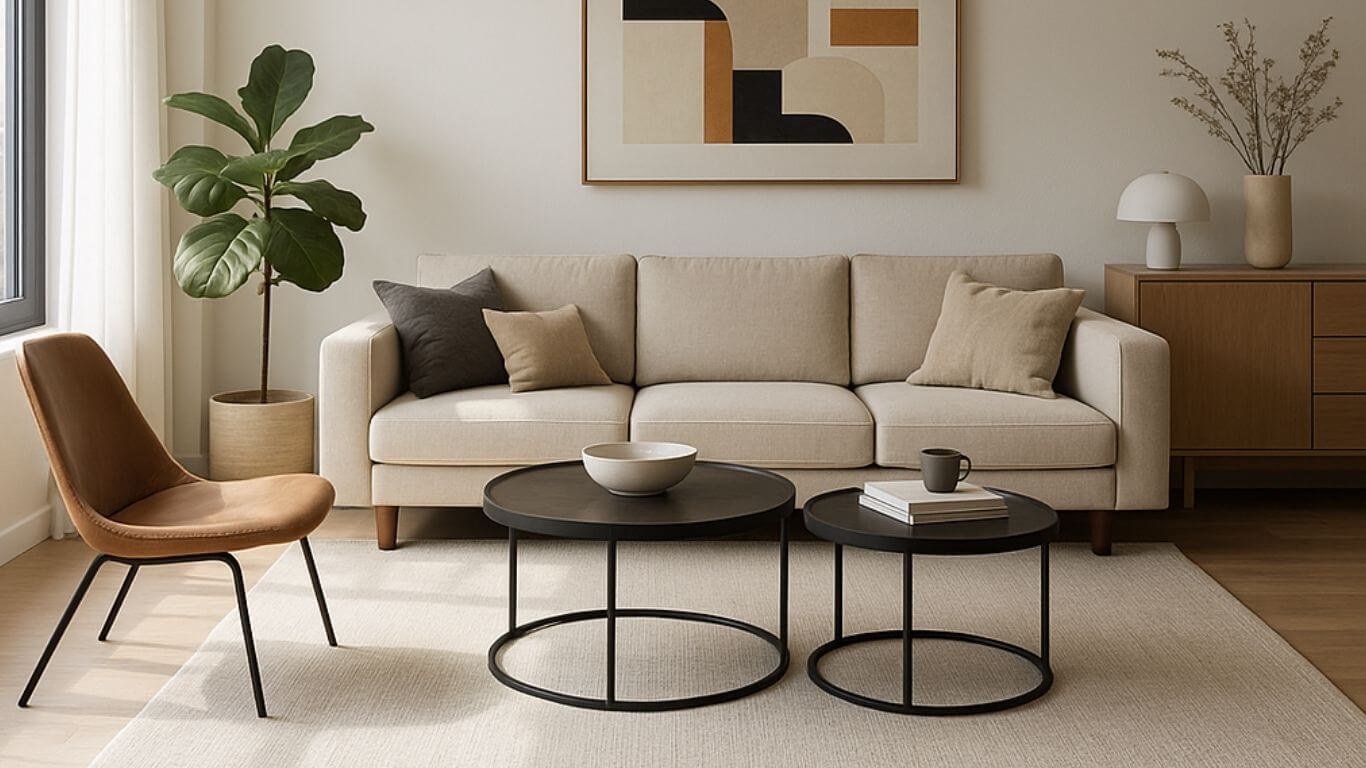
Minimalist furniture is characterized by simple, clean lines, functionality, and often multifunctionality. When choosing furniture for a minimalist interior, it is important to consider its proportions, materials, and ergonomics.
Ideal furniture for a minimalist interior features:
- simple, clean forms without unnecessary ornamentation;
- neutral colors (gray, beige, white, natural wood);
- high-quality, durable finishes;
- functionality and ergonomics;
- good proportion to the space.
Interior specialists advise: "Choose a few larger pieces of furniture instead of many small ones – this will create a calmer, more balanced look. For example, one large sofa with one cozy armchair is better than a set with several armchairs and stools."
It is also worth paying attention to the arrangement of furniture. Leave enough space between furniture for movement, maintaining main passages at least 80-100 cm wide. Use furniture with legs, which creates an impression of lightness and visually enlarges the space.
Lithuanian Examples with Minimalist Furniture
1. Scandinavian-style Apartment in Kaunas (75 sq.m)
The family apartment of Tomas and Eglė is dominated by white walls and wooden floors. The main accent is a long, minimalist, white dining table with natural leather chairs. In the living room, there is a low, gray corner sofa without additional cushions or accessories. A few books and carefully selected decorative elements are displayed on open white shelves. Simple but functional luminaires are used for lighting.
"Not only style but also comfort is important," says Eglė. "We tried many sofas before buying this one – it looks minimalist but is soft enough and comfortable for everyday use. The same applies to dining chairs – they look simple, but you can sit comfortably in them for hours."
2. Klaipėda's 50 sq.m Maritime-style Studio
Marius created a minimalist space with maritime motifs in his Klaipėda studio. White walls, blue accents, and natural wood dominate here. The main piece of furniture is a convertible bed-sofa, which transforms into a seating area during the day. Kitchen furniture is integrated into one wall, without visible handles or additional details. Instead of a traditional dining table, there is a pull-out console table that is used daily as a workspace and expanded when guests are entertained.
"The biggest challenge was to maintain a sense of space while having everything I needed," says Marius. "I chose furniture with integrated storage systems – for example, my bed has drawers underneath, and the sofa backrest lifts to reveal storage space."
3. Vilnius Industrial Conversion Loft (90 sq.m)
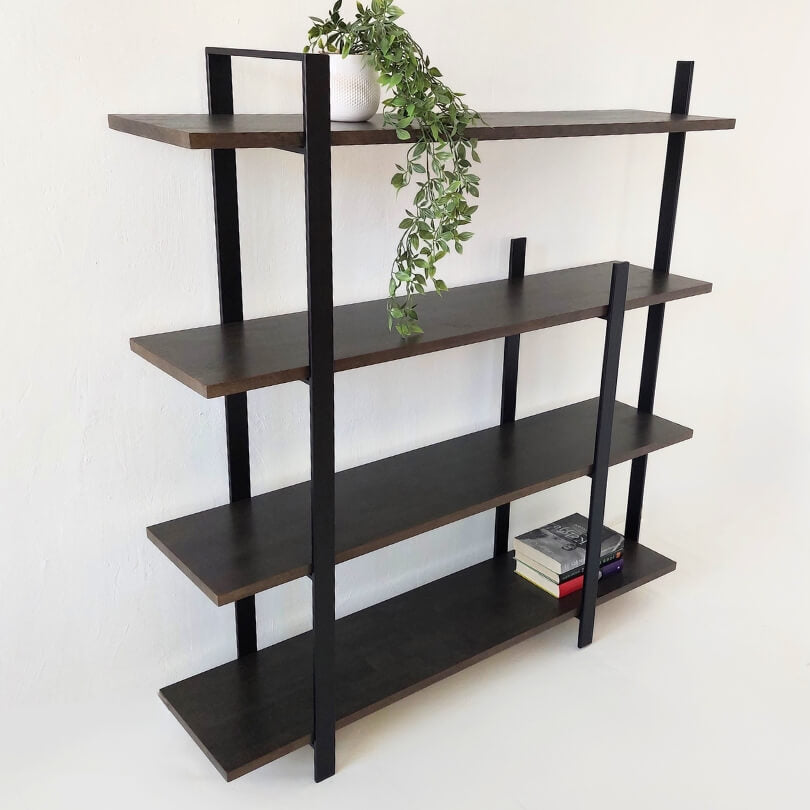
In an apartment of loft type located in a former factory, Aistė chose minimalist furniture that contrasts with the industrial elements of the building. The space is dominated by exposed brick walls, concrete floors, and high windows. The furniture features simple forms, black and gray colors, and natural leather. Instead of traditional shelves, there are metal, black, open shelving units displaying plants and books.
"I didn't want to overshadow the original architecture of the space," Aistė explains. "The furniture had to be functional, yet visually light.
Therefore, we chose a simple, low sofa that does not block the windows, and a minimalist dining table with thin metal legs."
Creating an Atmosphere: Colors, Textures, and Accessories
Minimalist homes are often mistakenly perceived as cold and lifeless. In reality, well-chosen colors, textures, and accessories create coziness and warmth without cluttering the space. Modern stylish homes are characterized by a subtle balance between minimalism and comfort.
Color palettes in minimalist interiors are usually neutral, but this does not mean they have to be boring. An interior colorist recommends: "Start with a neutral base – white, beige, gray, light brown tones – and complement it with 2-3 accent colors. Accents can be subtle – greenish, dark blue, terracotta, or dark gray – it's important to maintain consistency throughout the home."
Textures become especially important in a minimalist interior, as they add life and coziness. Natural materials – linen, wool, wood, metal, marble, or ceramics – create sensory interest and a warm atmosphere. Combine different textures: rough and smooth, glossy and matte.
Interior elements that add coziness to a minimalist home:
- natural material textiles – linen curtains, a wool throw;
- natural materials – wood, metal, stone, ceramics;
- warm light sources at different heights;
- live plants in different shaped pots;
- handmade ceramics or glass objects;
- a few personal photos in subtle frames;
- one larger format artwork instead of many small ones.
Accessories Without Clutter
In a minimalist interior, accessories should be carefully selected and meaningful. Instead of dozens of small decorations, it is better to choose a few larger, significant objects. An interior stylist states: "Every item should either be functional or bring joy. If it doesn't meet either of these criteria, it shouldn't be in the home."
Minimalist home accessories worth noting:
- plants – large houseplants as focal points or smaller ones, strategically placed on shelves;
- lighting – not only functional but also as a design element;
- textiles – one or two high-quality textured throws or cushions;
- art – one impressive painting is better than many small ones;
- books – arranged horizontally, with a few vertical accents;
- personal objects – a few meaningful souvenirs or collection exhibits instead of many.
Scandinavian and Japanese (Japandi) styles are particularly popular in Lithuania, where decor is characterized by simplicity and functionality. These styles often use natural materials, subtle patterns, and forms that organically complement a minimalist interior.
Practical tip: apply the "rule of thirds" – if you have a shelf or cabinet, fill it only 2/3 with decorations, leaving 1/3 of empty space. This will create balance and avoid the impression of a cluttered space.
Practical Tips to Avoid Common Mistakes
When creating a minimalist interior, it is easy to fall into extremes – the space can become too sterile and cold or, conversely, lose the essence of minimalism due to too many items. Here are the most common mistakes and how to avoid them.
An interior designer notes: "The most common mistake in a minimalist interior is excessive visual stimulation. People often try to cram too many colors, textures, or accents, believing that this will make the space more interesting, but the result is the opposite – a chaotic and unsettling space."
Common mistakes when creating stylish minimalist homes:
- Too much neutrality. Although minimalism is associated with neutral colors, a completely white or gray interior can look sterile and clinical. Solution: incorporate at least 2-3 accent colors in subtle amounts – through cushions, artworks, or textiles.
- Excessive pursuit of symmetry. Perfect symmetry can create an unnatural, cold impression. Solution: use asymmetrical balance – it creates a dynamic but still harmonious look.
- Lack of functionality. Minimalism does not mean discomfort. Solution: before buying a sofa or chair, be sure to try it out – furniture must be not only beautiful but also comfortable to use.
- Mixing materials without a system. Too many different materials cause visual confusion. Solution: limit the number of materials to 3-4 main ones and stick to them throughout the home.
- Ignoring lighting. Many focus on furniture, forgetting the importance of lighting. Solution: in each space, have at least three light sources at different heights (ceiling, table, floor).
- Lack of personality. A minimalist interior should not resemble a hotel room. Solution: include a few personal elements – family photos, a favorite artwork, or travel souvenirs.
According to an interior psychology specialist: "Stylish homes reflect the person who lives in them. Even in a minimalist interior, there must be elements that tell your story – it could be an artwork, an inherited piece of furniture, or a travel souvenir."
A functional interior begins with a needs analysis. Before you start creating a minimalist interior, write down what you and your family do at home. Is a workspace needed? How much storage space is required? Do you often entertain guests? These questions will help you decide what furniture and functions your space needs.
Summary
When creating stylish homes with minimalist furniture, it is important to remember that the essence is balance – between form and function, between personality and order, between aesthetics and comfort. Minimalist style is not just a fashion trend, but a lifestyle that encourages focusing on what truly matters.
Key aspects of creating stylish minimalist homes:
- start by reviewing items and getting rid of unnecessary ones;
- choose quality over quantity – fewer, but better pieces of furniture;
- create a clear, neutral color palette with a few accents;
- use natural materials to create a sense of warmth;
- do not forget the importance of textures to create coziness;
- plan appropriate lighting for various times of day and activities;
- include a few personal, meaningful accents.
A minimalist interior is not just a style – it's an approach to life that encourages conscious consumption, less stress, and greater attention to the moment. Stylish homes with minimalist furniture create a space where you can relax, enjoy the environment, and focus on what truly matters in your life.
Frequently Asked Questions (FAQs)
What are the main features of a stylish minimalist home?
A minimalist home is characterized by clean lines, neutral colors, functional furniture, and an uncluttered space. The focus on a few quality pieces of furniture and subtle accents ensures comfort and visual harmony.
How to choose the right color palette for a minimalist interior?
Choose soft, muted colors – white, gray, beige, or earth tones – that create a calm atmosphere. Add brighter or pastel accents in textiles or artworks to create visual interest without overwhelming the space.
Can different styles be combined with minimalist furniture?
Yes, minimalist furniture is versatile. It can be combined with Scandinavian, Japandi, or modern industrial styles, but it is important to maintain an overall clean and understated look.
What are the most common mistakes when decorating a minimalist home?
Common mistakes include: cluttering the space, combining too many different design elements, and choosing uncomfortable or impractical furniture. Stick to a clear theme, invest in a quality base, and decorate sparingly.
How to create a sense of coziness and hospitality in a minimalist home?
Incorporate natural textures (wool throws, wooden surfaces, soft rugs), layered lighting, plants, and a few meaningful decor elements that create warmth and a sense of personality.