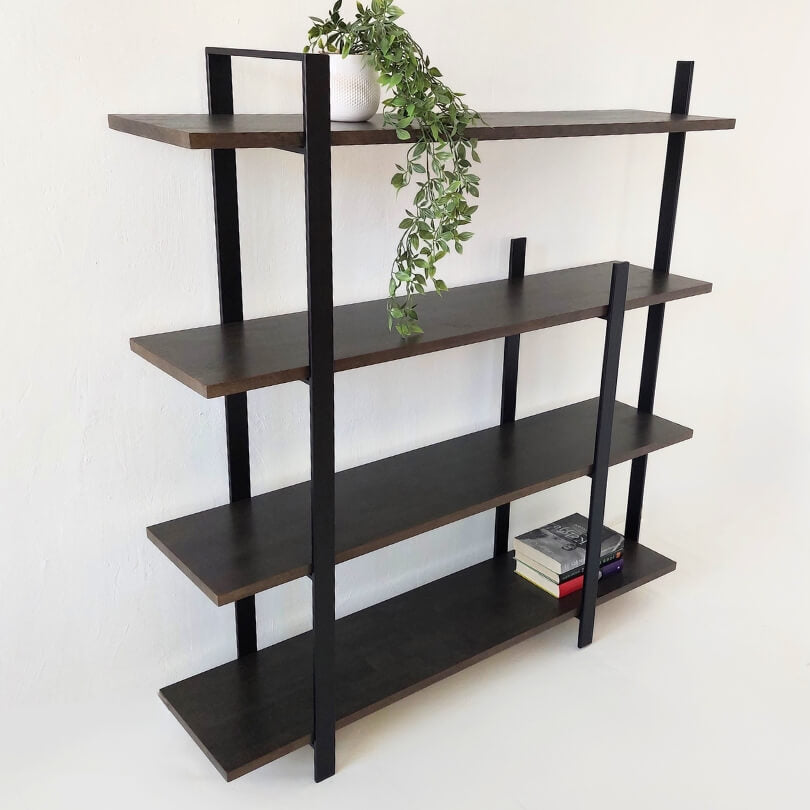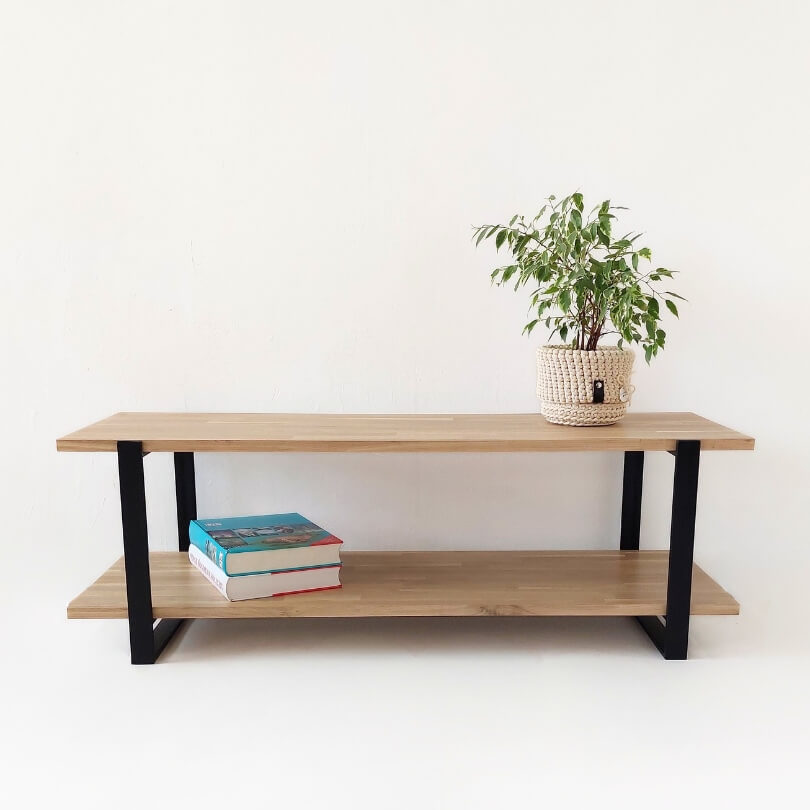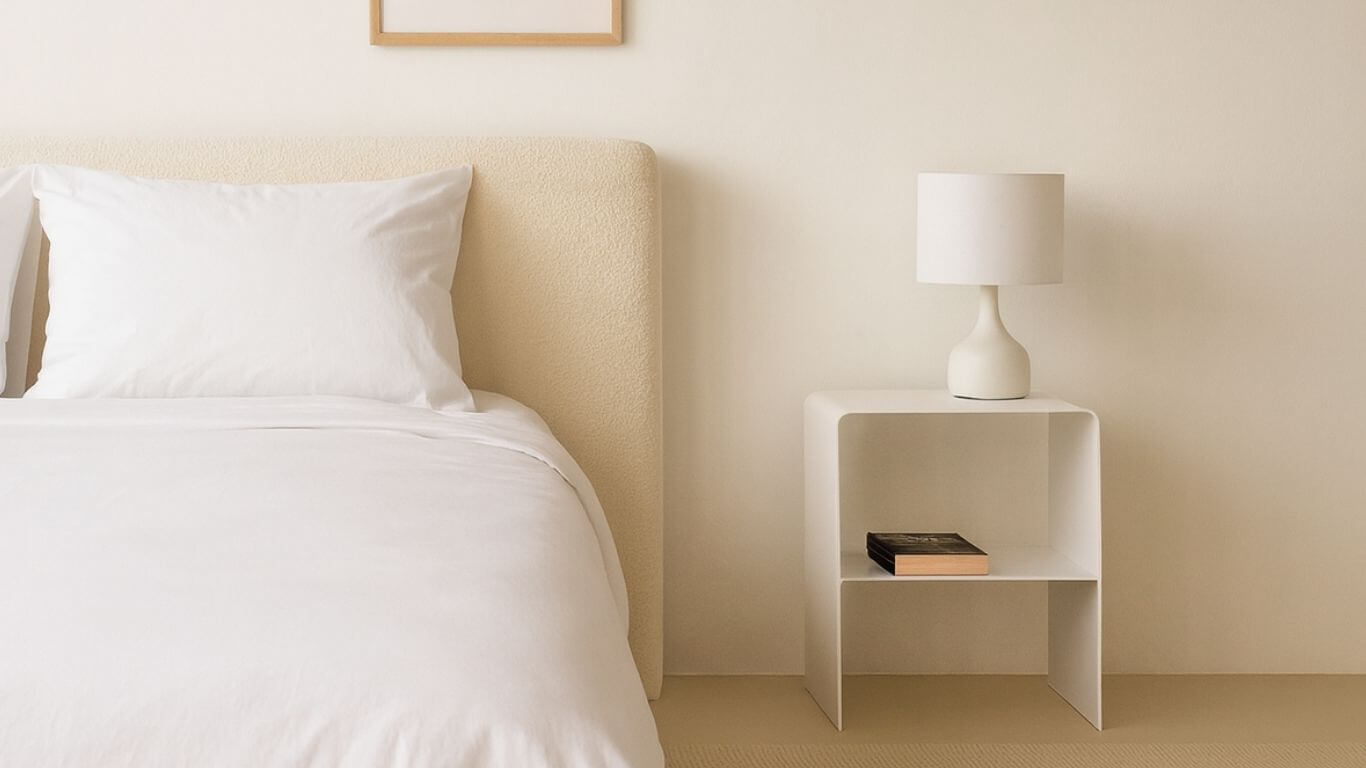
Minimalist furniture is gaining an increasingly important place in modern home interiors. It is not just a design trend but also a lifestyle choice that influences not only aesthetics but also our well-being and daily life. Minimalism is characterized by simplicity, functionality, and clean lines, and furniture in this style can completely transform the atmosphere of a home. In this article, we will examine how minimalist furniture transforms our living environment, what impact it has on our well-being, and how to properly integrate it into different spaces.
Principles of Minimalist Furniture Design
Minimalist design originated from several influential sources, including the Bauhaus movement and the Scandinavian (Nordic) tradition. The essence of this style lies in the famous architect Ludwig Mies van der Rohe's saying "less is more," which became the foundation of minimalist design philosophy.
Minimalist furniture design is based on simplicity and functionality. Unnecessary elements are removed, leaving only the essentials, and attention is focused on the purity of form and the quality of materials. Marcel Breuer and other Bauhaus school representatives laid the groundwork for this approach, where function dictates form, not the other way around.
Clean lines, neutral colors, and clear spaces are the main characteristics of this style. Minimalist furniture often features geometric shapes, simplicity of textures, and restraint in colors.
Key Elements of Minimalist Furniture
Quality materials dominate minimalist furniture – natural wood, metal, glass, stone.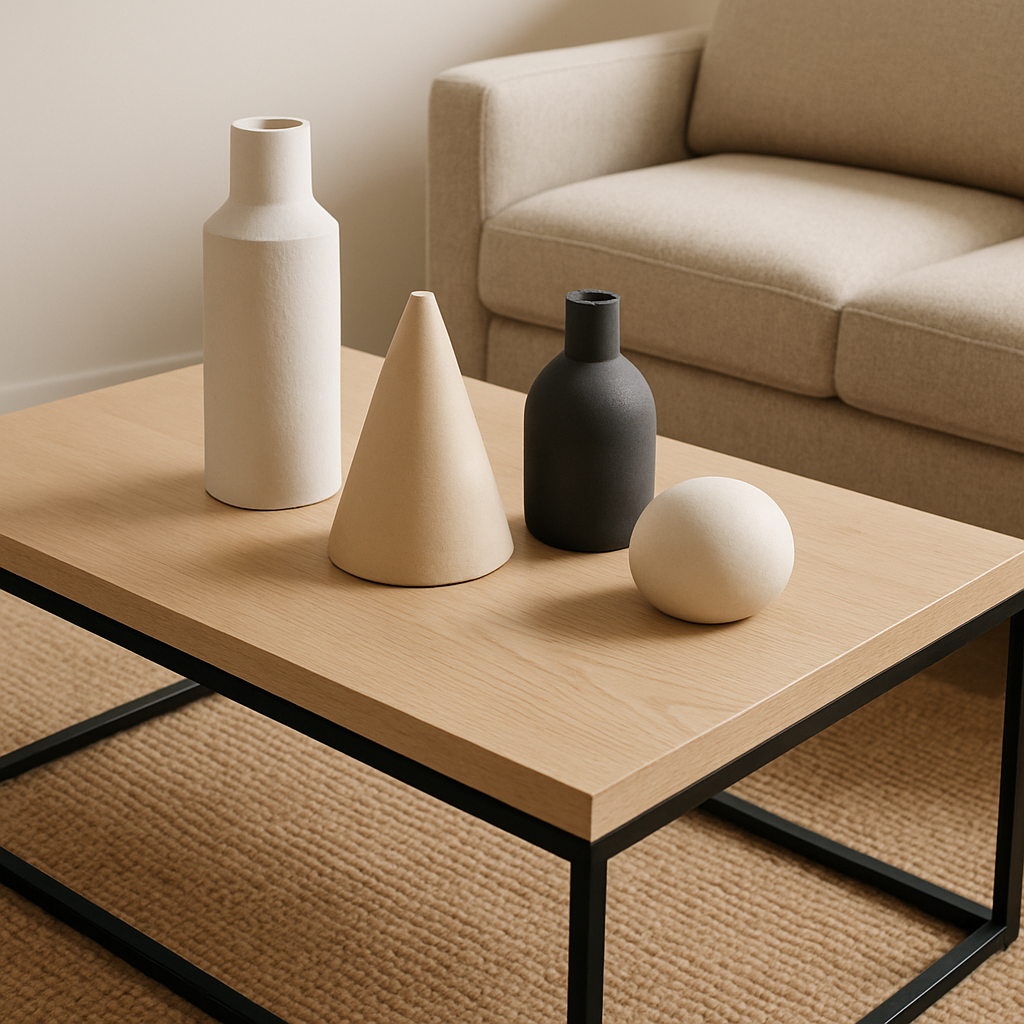
The color palette is usually limited to neutral shades: white, gray, black, beige, or natural wood colors. Such colors create a calm background and allow the form of the furniture itself to stand out.
Simplicity of form is another important feature of minimalist furniture. By avoiding complex details and decorative elements, clean lines and clear forms are emphasized. Furniture often features geometric silhouettes, precisely considered proportions, and spatial relationships.
Functionality and practicality are also an integral part of minimalist furniture. Multifunctional furniture, integrated storage systems, and modular solutions help maximize available space while maintaining a clean and uncluttered interior.
How Minimalist Furniture Affects the Home Atmosphere
Minimalist furniture has a strong impact on the home environment – it creates a sense of space, visual harmony, and tranquility. By reducing the number of items and choosing simpler designed furniture, homes become not only tidier but also more relaxing.
A sense of space is one of the most noticeable advantages of minimalist furniture. Lighter, compact, and often raised-leg furniture creates an impression of space and air circulation. Rooms appear larger, brighter, and better proportioned. Studies show that such spaces positively affect people's mood and productivity.
Visual harmony is another important aspect. Minimalist furniture, characterized by consistent design and coordinated colors, creates a visually calm environment. Instead of many different styles, colors, and elements, a minimalist space offers visual consistency, which consciously or subconsciously helps reduce mental clutter.
Psychological Benefits of Minimalist Interiors
A minimalist environment can have a significant impact on our psychological well-being.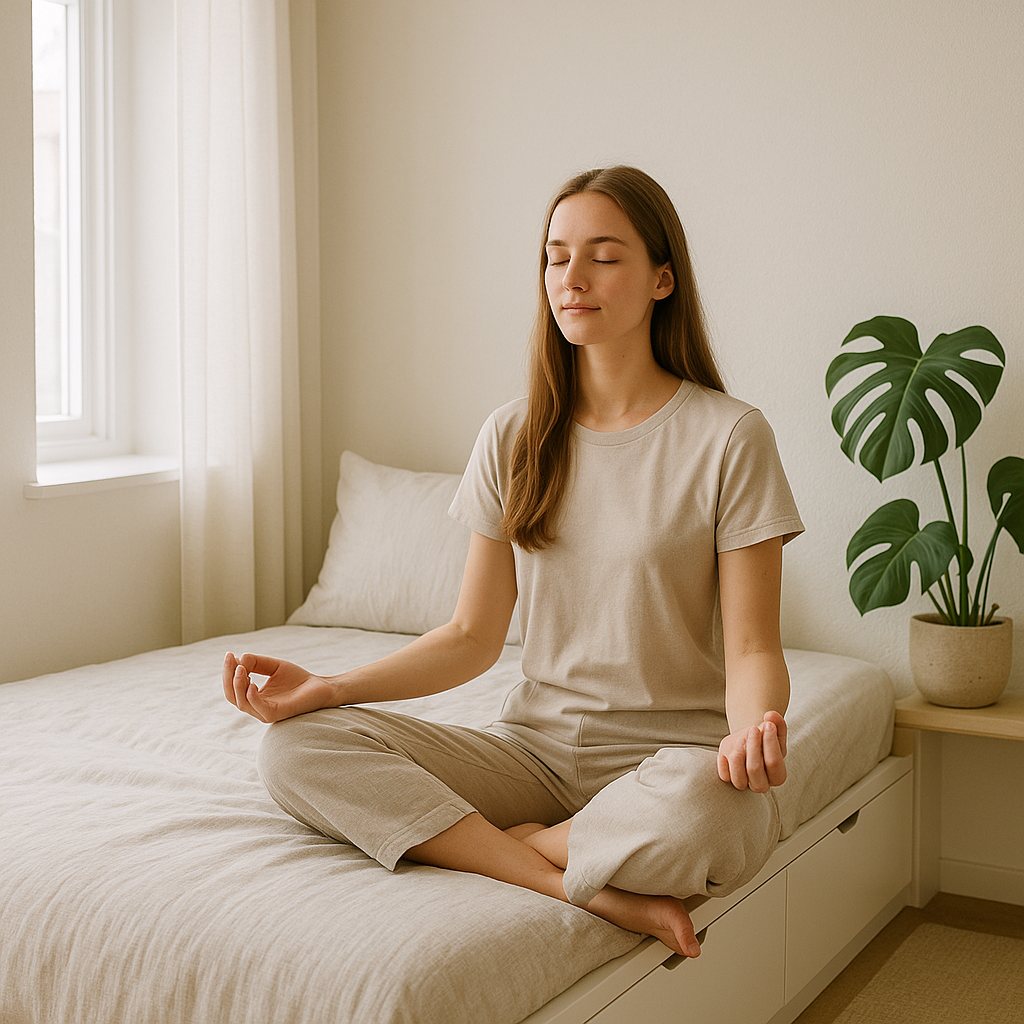
A tidy, uncluttered space reduces visual stimulation, which can help reduce stress and anxiety. Scientists have found that a cluttered environment interferes with concentration and increases cortisol (the stress hormone) levels in the body.
Minimalist interiors promote mindfulness and attentiveness. When there are fewer items in a space, we can pay more attention to each one and appreciate its beauty or functionality more. This is reminiscent of the Japanese concept of "ma" – appreciating gaps and empty space as an important part of design.
Better sleep and productivity are also often associated with a minimalist environment. A bedroom without unnecessary items and dominated by calming colors can improve sleep quality. Workspaces designed in a minimalist style help maintain focus and reduce distractions.
Practical Ways to Integrate Minimalist Furniture into Different Spaces
Integrating minimalist furniture into your home can be a simple process if a few basic principles are followed. For each home space – living room, bedroom, kitchen, or small spaces – there are specific tips on how to achieve the best result.
In the living room, minimalism begins with an essential furniture set – a comfortable but clean-lined sofa, a functional coffee table, and a few carefully selected additional elements. Instead of many decorative elements, choose a few eloquent accents. For example, one interesting piece of art can have a greater impact than a dozen smaller decorations.
In the bedroom, the key element is a bed with a simple but high-quality frame. In a minimalist bedroom, multifunctional furniture is important – a chest of drawers that can also be a nightstand, or a bed with integrated storage spaces. Neutral colors and natural materials will create a calm atmosphere, ideal for rest.
In the kitchen, a minimalist approach means a clean workspace with integrated appliances and hidden storage systems. Open shelves can be used for everyday dishes, but it is important to maintain order and avoid clutter. A kitchen island can be multifunctional – used for both cooking and dining.
Mistakes to Avoid When Adopting Minimalism
One of the most common mistakes when transitioning to a minimalist style is sacrificing comfort for aesthetics. While minimalist furniture is characterized by clean design, it should remain comfortable and practical. An overly ascetic environment can become uncomfortable and cold, so it is important to maintain a balance between design purity and comfort.
Another common mistake is neglecting storage space. A minimalist space needs enough storage for items, otherwise, clutter will quickly appear. Instead of giving up necessary items, look for clever storage solutions – beds with drawers, sofas with storage compartments, or coffee tables with integrated shelves.
It is also important not to fall into the other extreme – creating a sterile environment. An overly sterile space can look like a hospital or hotel, not a cozy home. Personal accents, books, plants, or artwork can bring life to your minimalist space without compromising its simplicity.
Recommended Minimalist Furniture Elements
Sofa bed – an excellent choice for smaller spaces, as it performs two important functions while maintaining a simple form and clean design. Choose models with built-in storage areas for additional functionality.
Nesting tables – compact and multifunctional, they can be used as needed and easily hidden when not required. They allow you to maximize limited space without visual clutter.
Open shelves – unlike massive wardrobes, open shelves create a sense of space and encourage discipline by holding only essential or aesthetic items. They can be used as functional wall decoration.
Multifunctional chairs – for example, chairs that can be used both at a desk and at a dining table save space and reduce the number of necessary furniture pieces. Look for ergonomic yet aesthetically pleasing models.
Minimalism and Coziness: Finding the Right Balance
One of the biggest myths about minimalist interiors is that they are cold and uninviting. However, in reality, minimalism and coziness can perfectly coexist if we know how to create the right balance.
Textures are one of the most important elements in creating a cozy minimalist interior.
Even while adhering to a neutral color palette, combining different textures – natural wood, soft fabrics, gentle leather, or knitted fabric – adds depth and coziness to the space. For example, a simple shaped sofa with textured fabric or a few pillows of different textures can bring warmth to the space.
Natural light is another important element. Minimalist interiors often maximize natural light, which not only visually enlarges the space but also creates a cozy atmosphere. Instead of heavy curtains, choose light, sheer curtains that filter light but do not eliminate it.
Personal accents are essential to prevent a minimalist interior from becoming too impersonal. A few carefully selected photographs, works of art, or mementos can give the space personal character. Plants also fit perfectly into a minimalist interior – they bring life, color, and naturalness.
Color accents can be used to create coziness. While minimalist interiors usually rely on neutral colors, subtle color accents – a green cushion, a blue throw, or a terracotta pot – can add warmth and life to the space.
Finding a balance between minimalism and coziness depends on personal priorities and lifestyle. It is important to understand that minimalism does not mean giving up everything – it means making conscious decisions, keeping what is truly valuable and necessary.
Summary
Minimalist furniture has the power to completely transform the atmosphere of a home – it creates a more spacious, cleaner, and calmer environment that positively affects our well-being and daily life. This style is not just an aesthetic choice – it is an approach to life based on conscious decision-making and prioritizing.
When integrating minimalist furniture into your home, it is important not to lose coziness and personal character. Textures, natural light, plants, and carefully selected personal accents can create a warm and cozy minimalist space where it is pleasant to live.
Choosing minimalist furniture encourages us to review our relationship with objects and space. It allows us to find peace and clarity not only in the physical but also in the psychological space. Therefore, a minimalist approach to home interior can be not only a design solution but also a step towards a more conscious, more balanced life.
When planning to update your home, it is worth considering the advantages offered by minimalist furniture and thinking about how they could improve the quality of your living space.
Frequently Asked Questions
What defines minimalist furniture and how does it differ from modern design?
Minimalist furniture is defined by simplicity, functionality, and the absence of decorative elements, while modern design can encompass a more varied aesthetic and sometimes bolder elements.
Will minimalist furniture make my home feel empty or cold?
No, if you incorporate warm materials, soft textiles, and thoughtfully chosen decor, maintaining the clarity and tranquility of the space.
Is minimalist furniture suitable for small apartments?
Absolutely – multifunctional, space-saving minimalist furniture can maximize space and help even small rooms appear more spacious.
How to maintain a minimalist aesthetic in a family home?
Choose modular or spacious furniture, ensure every item has a purpose, and periodically declutter to keep spaces calm.
What are the most popular colors and materials for minimalist furniture in 2025?
Light wood, matte metal, natural stone, and neutral colors (white, beige, gray) remain the most popular, while subtle color accents (sage green, terracotta) are also gaining increasing popularity.